

In today’s world of constant distractions—social media, busy routines, and material pressures—it’s easy for faith to become an afterthought in family life. But the home is the first school of the heart, where children learn values, habits, and identity.
Spiritually strong families don’t just happen—they are intentionally built. They weave faith into daily life so naturally that children grow up seeing Islam not as a subject but as a living, breathing way of life.
The Prophet Muhammad ﷺ said:
“The best of you are those who are best to their families.” (Tirmidhi)
This hadith reminds us that spirituality begins at home. By practicing consistent habits, families can build a bond that anchors them to Allah, strengthens relationships, and passes on faith to future generations.
This blog explores (and celebrates) the top 10 habits of spiritually strong families—practical, achievable steps every Muslim household can adopt.
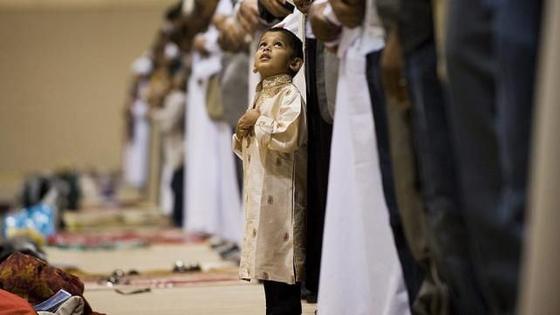
Salah is the foundation of Islam, and when families pray together, they not only fulfil their duty to Allah but also strengthen their unity.
Benefit: Prayer becomes a family anchor, reminding everyone to pause and reconnect with Allah.
Spiritually strong families carve out time for the Qur’an—not just in Ramadan but year-round.
Benefit: The Qur’an becomes a constant presence, shaping hearts and guiding decisions.
Families that regularly turn to Allah for their needs develop reliance on Him and gratitude for His blessings.
Benefit: Dua nurtures humility and strengthens trust in Allah’s mercy.
Habits of spiritually strong families also include cultivating shukr (gratitude) as a lifestyle.
“If you are grateful, I will surely increase you [in favour].” (Qur’an 14:7)
Benefit: Children learn to focus on blessings rather than complaints.
Spiritually strong families look beyond themselves and serve the community.
Benefit: Children learn that true strength lies in service, not self-indulgence.
Excessive screen use often distracts families from spiritual connection. Spiritually strong households use technology wisely.
Benefit: Kids learn self-discipline and develop space for deeper thoughts and worship.
The Sunnah is a treasure chest of guidance. Spiritually strong families make Sunnah practices part of daily habits.
Benefit: Kids grow up with Sunnah as second nature, not an extra burden.
The physical and emotional environment at home shapes spirituality.
Benefit: The home becomes a mini sanctuary, reminding children of their identity.
Spiritually strong families celebrate milestones like finishing a surah, fasting the first day of Ramadan, or memorizing a dua.
Benefit: Faith becomes a source of joy, not pressure.
It’s common to see halaqas in the habits of spiritual strong families as they help create intentional time to learn and reflect together.
Benefit: Kids develop confidence in speaking about Islam and see parents as co-learners.
Spiritually strong families avoid extremes. They don’t over-punish, nor do they neglect boundaries.
Benefit: Children associate faith with love and security, not fear alone.
The above top 10 habits of spiritually strong families can be witnessed in many circles today. However, that doesn’t mean that those families haven’t encountered challenges while strengthening their faith at home. Here’s what we recommend to help cultivate the above habits easily into your routine:
Families who consistently practice these habits often notice:
Q: How can I start if my family has no current routine?
A: Begin small—one habit at a time, like praying maghrib together. Build gradually.
Q: What if my children resist?
A: Keep it positive. Add joy, storytelling, and praise. Avoid forcing practices harshly.
Q: Can teenagers also benefit?
A: Absolutely. Give them responsibility—leading family halaqas or setting up prayer space.
Q: Do all habits need to be daily?
A: No. Some, like family halaqas, can be weekly. Consistency matters more than frequency.
Spiritually strong families don’t rely on chance. They choose daily habits that anchor their homes in Qur’an, Sunnah, gratitude, and service.
By praying together, practicing gratitude, serving others, limiting distractions, and celebrating milestones, parents create a rhythm of faith that nurtures both hearts and homes.
These 10 habits may seem simple, but over years they become the foundation of a legacy—a legacy of iman, love, and connection to Allah that children will carry into their own families, passing it forward generation after generation.
Published 6 October 2025 in Parenting. Questions? Get in touch.
For Muslims, the masjid is more than just a place of prayer. It is a spiritual heart of the community, a centre of…
Read more →
Parenting is one of the greatest blessings—and responsibilities—that Allah places upon us. The Qur’an reminds us:
Read more →
Every parent wants their child to grow up with strong values, good character, and love for Allah. In Islam, one of the…
Read more →Thirty minutes, your student numbers, an honest answer about whether we are a fit. Onboarding, training and data migration are included — there is nothing to sign to find out.