
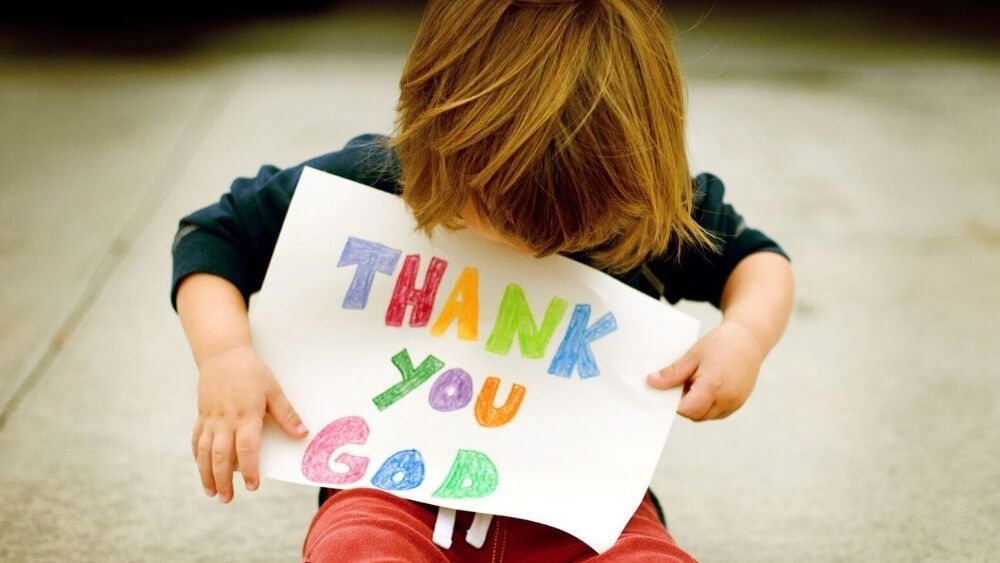
Open Instagram, step into a shopping mall, or listen to children’s conversations at school, and you’ll notice a common theme: status matters. Kids compare shoes, gadgets, vacations, and even lunchbox brands. It’s a world where glamour—what you own, where you go, and how you look—often overshadows gratitude, kindness, and humility.
But while the culture screams, “Show off more!”, parents can whisper something different: “Be grateful. Be humble. Be kind.”
In Islam and in many traditions, humility and gratitude are core virtues. They anchor children in values that last longer than the latest phone or fashion. Raising kids who prioritize gratitude over glamour is not about denying them joys—it’s about helping them see life’s true blessings.
This blog will explore teaching kids gratitude through several key ways:
Children today grow up in a hyper-connected, hyper-competitive world. A few drivers make glamour culture particularly powerful:
Status culture is powerful—but it’s not invincible. With intentional parenting, gratitude and humility can still take root.
When children grow up measuring self-worth through glamour, they may face:
Glamour culture promises joy but often delivers anxiety, entitlement, and emptiness. Gratitude does the opposite—it creates resilience, contentment, and peace.
Gratitude isn’t just saying “thank you” after receiving something. It’s a complete mindset and lifestyle:
Humility naturally flows from gratitude. When teaching children gratitude, they start seeing everything as a gift and blessing from the Almighty, rather than feeling pressure to prove themselves through glamour.
Children learn more from what parents do than what they say. Express thanks openly—to Allah, to family, to strangers.
Example: “Alhamdulillah, we have food on the table tonight. I’m so grateful for this blessing.”
End each day with a “three blessings” habit. Every family member shares three things they are grateful for.
Share stories of Prophets, Sahabah, and ordinary heroes who lived with humility. Example: the Prophet’s (ﷺ) simple lifestyle despite his leadership.
Involve kids in giving—donating toys, packing food, or visiting those in need. Gratitude deepens when they see others’ struggles.
Avoid over-praising appearances, brands, or material success. Focus on character: “You showed patience today—that’s real strength.”
Applaud hard work, kindness, and honesty more than grades or trophies.
Teach children to say, “This is enough for me.” Delay gratification sometimes to build resilience.
Birthdays, Eid, or milestones don’t need to be extravagant. Focus on meaning, family, and faith over glamour.
Shift phrases from “I want more” to “I am thankful.” Encourage kids to replace complaints with blessings.
When appropriate, talk about inequality and blessings. Let kids see that their comforts are not universal.
10 Family Practices to Build Gratitude over Glamour
When it comes to teaching kids gratitude, here are practical home practices families can adopt:
Kids raised with gratitude over glamour often grow into adults who are:
In a world of glamour, humble children shine differently—they radiate peace, kindness, and strength.
Of course, raising grateful kids isn’t easy in a glamour-obsessed society. Parents may face:
Parents can respond with gentle firmness:
Q: Should I deny my kids nice things to teach humility?
A: No. Joy is fine—extravagance and entitlement are not. Balance gifts with gratitude.
Q: What if my child compares themselves to friends?
A: Teach them to notice what they have, not just what they lack. Use gratitude journals or service projects.
Q: Can gratitude really combat status culture?
A: Yes. Gratitude shifts focus from envy to appreciation, building mental resilience.
The culture of glamour is loud, shiny, and relentless. But gratitude—quiet, steady, and sacred—can outlast it. Parents who model humility, celebrate blessings, and shift focus from “things” to thanks raise children who are not dazzled by status but grounded in values.
When kids know that their true worth is not in clothes, cars, or clicks—but in kindness, faith, and character—they become resilient against status culture.
The world may celebrate glamour. But in your home, you can celebrate gratitude. And that difference will shape your child’s soul forever.
Published 2 October 2025 in Parenting. Questions? Get in touch.
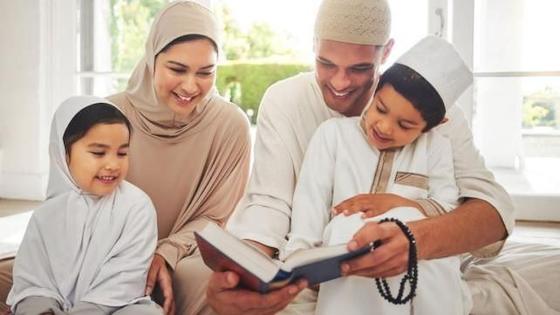
Every child’s life is full of milestones: first steps, first day of school, first time riding a bike. As parents, we…
Read more →
Every parent wants their child to feel safe, confident, and happy. But for many families, anxiety sneaks into everyday…
Read more →
Family board games are more than rainy-day distractions—they’re mini-classrooms disguised as fun. For parents, games…
Read more →Thirty minutes, your student numbers, an honest answer about whether we are a fit. Onboarding, training and data migration are included — there is nothing to sign to find out.