How to Teach Kids Sunnah Practices: A Parent’s Guide
· Sidr Productions
Introduction: Why Sunnah Matters for Kids
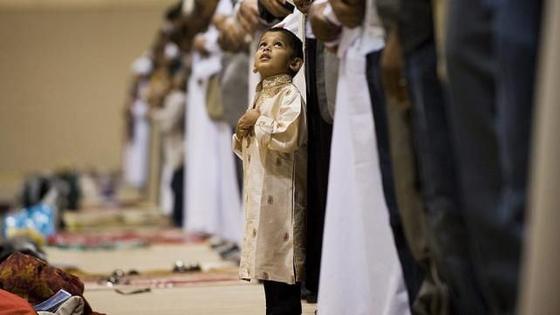
Every parent wants their child to grow up with strong values, good character, and love for Allah. In Islam, one of the most beautiful ways to achieve this is by teaching children the daily Sunnah practices of the Prophet Muhammad ﷺ.
The Sunnah isn’t just a set of rituals. It’s a complete blueprint for life—from how to wake up, eat, and speak, to how to treat others with kindness. When children adopt Sunnah practices early, they don’t just learn rules—they develop habits of humility, gratitude, and mercy that will guide them for life.
This blog will guide parents on how to teach kids Sunnah practices through the following key points:
Why teaching Sunnah to children is important
How to make Sunnah relatable for kids
A breakdown of daily Sunnah practices kids can learn
Practical tips to keep it fun and consistent
How families can collectively live by the Sunnah
Why Teach Sunnah Practices to Kids?
When parents know how to teach kids Sunnah practices, it helps them:
Develop Faith Early
Kids who grow up practicing Sunnah feel close to the Prophet ﷺ and connected to their deen.
Build Strong Character
Sunnah practices encourage respect, kindness, cleanliness, and discipline.
Create Positive Habits
From saying Bismillah to smiling at others, Sunnah starts shaping their daily routines.
Feel Confident in Faith
Children who know and practice Sunnah are less likely to feel shy about their Islamic identity.
Strengthen Family Bonds
When Sunnah is taught and practiced together, families create a shared rhythm of faith.
Making Sunnah Relatable for Kids
Before diving into how to teach kids Sunnah practices, it’s important to make the way of the Prophet Muhammad ﷺ meaningful:
Tell Stories: Share short, age-appropriate stories of the Prophet ﷺ showing kindness, patience, or good manners.
Use Visuals: Posters, charts, or even illustrated books can make Sunnah easy to remember.
Celebrate Small Wins: Praise children when they remember to say Assalamu Alaikum or Alhamdulillah.
Practice Together: Let children see parents modeling Sunnah naturally.
Keep It Joyful: Don’t turn Sunnah into a burden or lecture—make it feel like love.
Daily Sunnah Practices for Kids
Here’s a structured guide for parents to introduce Sunnah throughout a child’s day.
Morning Sunnah
Waking Up with Dua
Teach: “Alhamdulillahil-ladhi ahyana ba’da ma amatana wa ilayhin-nushur.”
Meaning: “Praise be to Allah Who gave us life after He caused us to die, and to Him is the return.”
Using the Right Hand
Encourage kids to use their right hand when eating, drinking, and greeting.
Saying Bismillah
Before starting the day, meals, or schoolwork, saying Bismillah builds mindfulness.
Brushing Teeth (Miswak/Toothbrush)
Explain that the Prophet ﷺ loved cleanliness and that brushing is a part of Sunnah.
During the Day
Greetings of Peace
Teach children to greet with “Assalamu Alaikum” and reply with “Wa Alaikum Assalam wa Rahmatullah”.
Smiling Often
Remind kids that a smilnig is a Sunnah and considered charity.
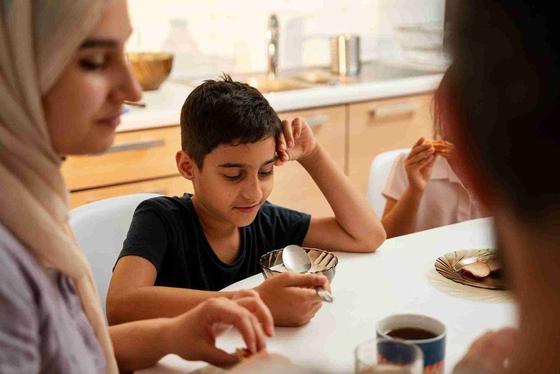
Eating Sunnah
Sit while eating and drinking.
Begin with Bismillah.
Eat with the right hand.
Eat what’s near them.
Thank Allah with Alhamdulillah after meals.
Helping Others
Teach them that even small acts—helping with chores, sharing toys—are Sunnah.
Showing Kindness to Animals
Encourage gentle behavior with pets, birds, or stray animals.
Evening Sunnah
Making Dua Before Sleeping
Teach: “Bismika Allahumma amutu wa ahya.”
Meaning: “In Your name, O Allah, I die and live.”
Sleeping on the Right Side
The Prophet ﷺ preferred sleeping on his right.
Reciting Surahs Before Sleep
Encourage kids to recite Surah Al-Fatiha, Al-Ikhlas, Al-Falaq, and An-Naas.
Social Sunnah
Respecting Elders & Loving the Young
Teach kids to greet grandparents respectfully and show affection to siblings.
Using Good Words
No bad or indecent language. Remind kids: “The Prophet ﷺ never used hurtful words.”
Thankfulness
Encourage them to say Jazak allah khair when receiving help.
General Sunnah for Every Age
Modesty in Dress
Encourage children to dress neatly and modestly.
Cleanliness
Keeping nails trimmed, washing hands, and tidying up toys are all parts of Sunnah.
Charity
Even giving away a toy or sharing food counts as charity.
Practical Tips for Parents
Start Small: Introduce one Sunnah at a time.
Use Reminders: Stick notes on the fridge or create a “Sunnah chart” for kids to track.
Make It Fun: Turn Sunnah into games—who remembers to say Alhamdulillah first?
Connect to Rewards: Explain that every Sunnah action brings blessings (ajr).
Celebrate Milestones: Acknowledge progress with hugs, kind words, or small treats.
Creating a Sunnah-Centred Family Culture
Sunnah Family Nights
Choose one night a week to learn a Sunnah together—through stories, crafts, or role play.
Lead by Example
Parents practicing Sunnah consistently is the best teacher for children.
Family Duas
Make dua together after meals, before travel, or before sleep.
Encourage Questions
Let kids ask why the Prophet ﷺ did certain things—explore answers together.
Use Books & Apps
Interactive Islamic apps, children’s books, and videos can make Sunnah relatable.
The Benefits of Raising Sunnah Kids
Faith Anchoring: Children grow with strong Islamic identity.
Good Character: Respect, kindness, and humility are reinforced daily.
Family Bonding: Practicing Sunnah together strengthens family ties.
Life Skills: Sunnah teaches discipline, cleanliness, and empathy.
Challenges Parents Face (and How to Overcome Them)
The process of learning how to teach kids Sunnah practices can be both fun and insightful, as well as challenging:
Distractions from Technology: Balance screen time with Sunnah-based activities.
Peer Pressure: Encourage kids to be confident in practicing Sunnah even if peers don’t.
Consistency: Build habits slowly but steadily.
Parent Fatigue: Don’t expect perfection—progress is what matters.
FAQs about Teaching Sunnah to Kids
Q: At what age should I start teaching Sunnah?
A: As early as possible. Even toddlers can learn greetings and short duas.
Q: Should I force my child to follow Sunnah?
A: No. Encourage with love and consistency. Forcing may create resistance.
Q: How can I keep Sunnah fun for teenagers?
A: Relate Sunnah to real-life benefits—confidence, health, and social respect.
Conclusion: Sunnah as a Family Legacy
Teaching Sunnah to kids is not about memorizing endless rules—it’s about creating a lifestyle of gratitude, kindness, and mindfulness inspired by the Prophet ﷺ.
When parents truly understand how to teach kids Sunnah practices and prioritize it in their homes, their little ones grow up with habits that protect their faith, shape their character, and strengthen their identity.
The goal isn’t perfection—it’s progress, practice, and love for the Prophet ﷺ. Step by step, dua by dua, smile by smile, Sunnah becomes not just what your children learn—but who they are.
Published 6 October 2025 in
Parenting. Questions? Get in touch.
Thirty minutes, your student numbers, an honest answer about whether we are a fit.
Onboarding, training and data migration are included — there is nothing to sign to
find out.