
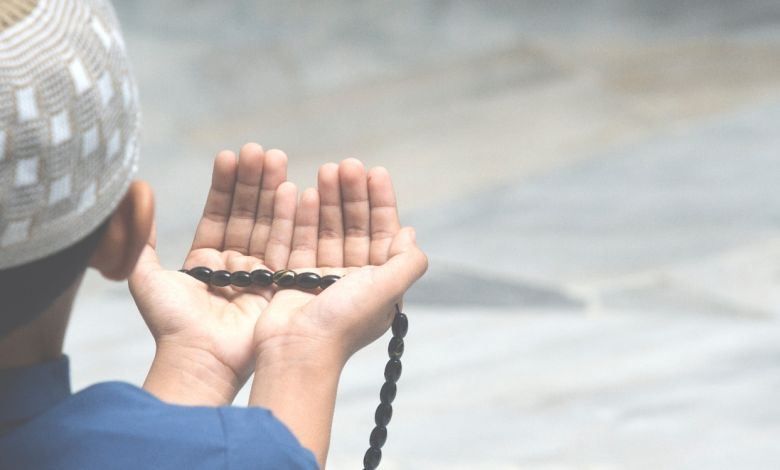
Every parent dreams of raising children who remember Allah in every part of their lives. While Islamic education often begins with Qur’an memorization or salah, one of the most effective ways to nurture spirituality in children is by teaching dhikr (remembrance of Allah) and duas (supplications).
Dhikr and duas are short, simple, and practical—they can easily become part of a child’s daily routine, turning ordinary moments into acts of worship. When introduced with love, consistency, and creativity, they help children build a lifelong habit of remembering Allah. However, many parents run into challenges and aren’t sure how to introduce dhikr and duas to children.
In this blog, we’ll explore why dhikr and duas matter, strategies to teach them, and creative ways to embed them into your child’s daily routine.
Children are naturally curious and impressionable. Dhikr and duas teach them that Allah is close, caring, and always listening.
Duas comfort children in times of fear, sadness, or worry. Saying “Hasbunallahu wa ni‘mal wakeel” (Allah is sufficient for us) strengthens their confidence.
When children recite dhikr before sleeping, eating, or traveling, they build a natural rhythm of remembering Allah in their everyday lives.
The Prophet ﷺ taught specific duas for daily actions. Teaching them helps children live the Sunnah in practice.
The earlier, the better—but in age-appropriate ways:
Consistency matters more than complexity. Even one new dua every few months is enough if practiced daily.
When it comes to understanding how to introduce dhikr and duas to children, here’s how you can seamlessly weave remembrance into your child’s everyday life:
By associating duas with specific actions, children will naturally remember them at the right times.
As we learn more and more about how to introduce dhikr and duas to children, we should live by these best practices which have truly stood the test of time:
Children learn more from what you do than what you say. If they hear you saying duas often, they’ll copy naturally.
Focus on one dhikr or dua at a time. Repeat it daily until it becomes habit before moving on.
Instead of rote memorization, explain in simple words. For example:
Turn duas into songs or chants—children love melodies and learn faster this way.
Create dua charts, stickers, or reward systems for consistency.
Celebrate small efforts: “MashaAllah, you remembered to say Bismillah!” Positive reinforcement motivates children.
Design colorful cards with Arabic text, transliteration, and meaning. Use them during bedtime or mealtime.
Share stories of how the Prophet ﷺ used certain duas in daily life. Example: when frightened, he said “A‘udhu bikalimatillah.”
Use Islamic apps that gamify learning duas. Platforms like My Quran Journey or dhikr counters make it engaging.
Spend 5 minutes after Maghrib or Isha as a family reciting dhikr together. Children feel included in worship.
Have kids create posters with their favorite duas and decorate their room with them.
Older kids can keep a “dua diary”—writing duas they learn and moments when they used them.
It’s perfectly normal to run into a few challenges when learning how to introduce dhikr and dua to children. Here are solutions to a few common challenges:
Keep sessions short (2–3 minutes) and interactive. Pair dua recitation with actions (like handwashing before meals).
Set reminders—sticky notes, fridge magnets, or mobile alarms can nudge them.
Keep reinforcing meanings with simple examples:
Involve them in teaching younger siblings—it boosts responsibility and pride.
Introducing dhikr and duas early creates lifelong benefits:
In the long run, these practices nurture confident, mindful Muslims who find joy in remembering Allah.
Parents aren’t alone in this journey. Schools and communities can support by:
When homes, schools, and communities work together, children see dhikr as a natural part of life.
Once you know how to introduce dhikr and duas into your child’s routine, you’ll understand and appreciate that it doesn’t require complicated methods—it’s about small, consistent habits that turn daily actions into worship. Whether before meals, during play, or at bedtime, these moments anchor children’s hearts to Allah.
Remember: the goal is not perfection, but consistency and love. With patience and creativity, dhikr and duas will become second nature for your child, shaping them into spiritually strong, grateful, and mindful Muslims.
At Sidr Productions, our mission is to design tools, stories, and apps that make Islamic learning interactive and joyful—helping families worldwide weave faith into daily life.
Published 5 September 2025 in Parenting. Questions? Get in touch.

We live in a digital-first world. From smartphones and tablets to streaming platforms and educational apps, children…
Read more →
In today’s busy world, weekends often become the only real opportunity for families to slow down, connect, and grow…
Read more →
Every parent dreams of raising children who love Islam, practice it sincerely, and carry its values into adulthood. But…
Read more →Thirty minutes, your student numbers, an honest answer about whether we are a fit. Onboarding, training and data migration are included — there is nothing to sign to find out.