
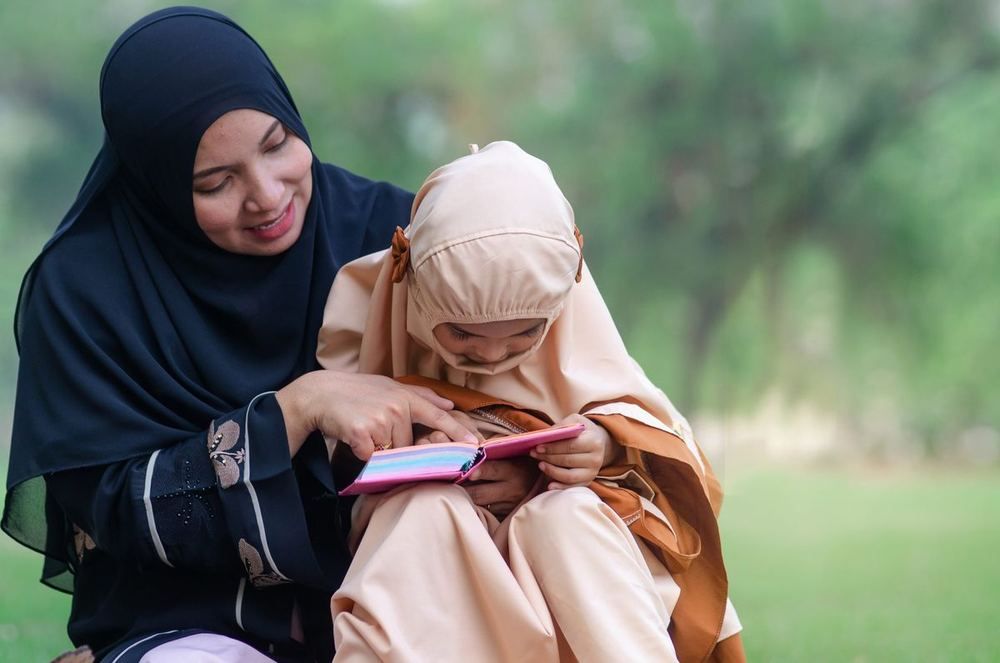
Every parent dreams of raising children who love Islam, practice it sincerely, and carry its values into adulthood. But one challenge often arises: how do we inspire kids to embrace Islamic teachings without making it feel like a burden or chore? How can we go about teaching kids about Islam in a way that makes them understand how rewarding the experience can be?
Modern psychology and Islamic wisdom both highlight the importance of reward systems in shaping behavior. From Quranic stories about Paradise to the Prophet Muhammad’s ﷺ encouragement with kind words, rewards have always been a part of nurturing faith. When applied wisely, reward systems not only motivate children but also help them develop an intrinsic love for Islam.
This blog explores the psychology of rewards, their role in child development, and what parents and educators need to know about effectively teaching kids about Islam in 2025 and beyond.
Children are naturally curious, but they also respond strongly to reinforcement. In psychology, this is often explained through behavioral learning theories:
In the early years, children often need extrinsic rewards to kickstart habits. Over time, the goal is to transition them toward intrinsic motivation, where they practice Islam because they love Allah ﷻ and His Messenger ﷺ.
When it comes to teaching kids about Islam, rewards are actually deeply rooted in our beloved Deen. Allah ﷻ often pairs commands with promises of reward, making obedience desirable.
“Be mindful of Allah, and Allah will protect you.” (Tirmidhi)
By aligning modern psychology with Islamic tradition, we see that rewards aren’t “bribes”—they’re tools to nurture love for Allah.
Not all rewards are equal. Here are the most effective reward systems for teaching children about Islam:
Simple acknowledgments like “MashaAllah” or “I’m proud of you” build self-esteem. Duas such as “May Allah increase you in knowledge” connect praise directly to faith.
Stickers, stars, badges, or small gifts can motivate younger children. For example:
Instead of material items, offer experiences:
Teach children that the ultimate reward is Allah’s pleasure and Jannah. Link worldly rewards to spiritual ones:
Creating an effective reward system for teaching children about Islam requires planning. We recommend following this flow for optimal results”
While rewards are powerful, overuse can backfire easily:
Rewards should be more along the lines of:
This mirrors how Allah motivates believers: worldly ease, but ultimate reward in the Hereafter.
Here are some real-life applications for parents and Islamic educators:
In 2025, Islamic edutainment tools have made teaching children about Islam and reward systems even more engaging. Apps like My Quran Journey and gamified platforms use:
Digital tools align with modern learning styles, making Islamic education fun, interactive, and motivating.
When applied with balance, reward systems nurture:
Ultimately, reward systems prepare children for the adult journey of Islam, where the greatest motivator is seeking Allah’s pleasure.
The psychology of reward systems offers powerful insights for Islamic parenting. By blending modern psychology with timeless Islamic principles, parents and educators can create balanced, motivating, and spiritually enriching systems that make teaching children about Islam an absolute joy for both educators and the young learners.
In the end, the goal isn’t to raise kids who chase stickers or sweets—it’s to nurture children who perform salah, read Qur’an, and make dua out of love for Allah. Rewards are just stepping stones toward that ultimate destination.
At Sidr Productions, our mission is to design tools, apps, and content that help parents and educators achieve exactly this balance—turning faith into a journey children love, one step at a time.
Published 4 September 2025 in Parenting. Questions? Get in touch.
We live in a digital-first world. From smartphones and tablets to streaming platforms and educational apps, children…
Read more →
In today’s busy world, weekends often become the only real opportunity for families to slow down, connect, and grow…
Read more →
Every parent dreams of raising children who remember Allah in every part of their lives. While Islamic education often…
Read more →Thirty minutes, your student numbers, an honest answer about whether we are a fit. Onboarding, training and data migration are included — there is nothing to sign to find out.