
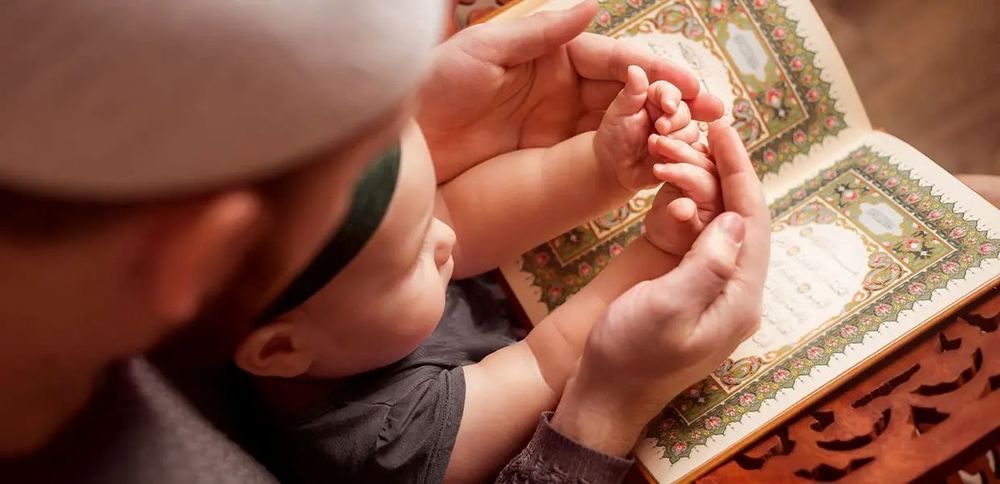
Raising children in today’s fast-paced, digital world is both rewarding and challenging. Parents often focus on academic success, extracurriculars, and worldly achievements. But in the process, one essential tool for emotional and spiritual growth is often overlooked: duas (supplications).
Duas are more than words—they are conversations with Allah. They empower children to express their feelings, strengthen faith, and seek guidance. For young hearts navigating new emotions, friendships, disappointments, and achievements, duas provide a safe anchor.
The Prophet Muhammad ﷺ said:
“Dua is the essence of worship.” (Tirmidhi)
If dua is the essence of worship, then teaching it to children from an early age is planting the essence of iman within them.
This blog explores the role of duas in a child’s development, particularly their emotional and spiritual growth, supported by Qur’an, Sunnah, and modern child development practices.
Children often struggle to identify and manage emotions. Teaching them to make dua helps them:
Example: A child upset about losing a toy can say: “Ya Allah, help me be patient.”
Benefit: Kids learn that emotions are valid and can be managed through faith.
Life brings disappointments: poor grades, fights with friends, or small failures. Dua teaches children to:
Example Dua: “Our Lord, pour upon us patience and plant firmly our feet.” (Qur’an 2:250)
Dua isn’t only for asking—it’s also for thanking. Teaching children to say Alhamdulillah or make dua of thanks develops:
Activity: Keep a “Dua of Thanks Journal” where kids list blessings daily.
Children experience anxiety—about school, dark rooms, or making friends. Duas provide comfort.
Benefit: Kids develop emotional security knowing Allah protects them.
When children make dua for siblings, friends, or those in need, they learn empathy.
The Prophet ﷺ said:
“The supplication of a Muslim for his brother in his absence will certainly be answered.” (Muslim)
Encouraging children to pray for others builds compassion and love.
Teaching dua is teaching children that Allah is near and listens.
“And when My servants ask you concerning Me, indeed I am near. I respond to the invocation of the supplicant when he calls upon Me.” (Qur’an 2:186)
Kids develop:
Instead of depending only on parents, children learn to rely on Allah.
Benefit: Kids learn that ultimate help comes from Allah, not just effort.
Making dua reminds children that they are dependent on Allah.
Benefit: Kids grow with balanced self-esteem—confident yet humble.
Daily duas differentiate Muslim children positively from peers.
Benefit: Stronger sense of belonging and spiritual confidence.
When kids learn daily duas, they are naturally reminded of Allah throughout the day.
Outcome: Children grow with natural consistency in remembering Allah.
It’s interesting to understand the role of duas in a child’s development, isn’t it? Let’s teach our little ones at least 10 duas to practice for now:
“My child forgets the duas.”
Solution: Keep it light—repeat consistently, use songs and games.
“They don’t seem serious about it.”
Solution: Don’t force formality. Encourage sincerity in their own words alongside traditional duas.
“We are too busy.”
Solution: Integrate duas into routines—car rides, meals, bedtime.
Now that we understand the role of duas in a child’s development, here’s how we can inspire them at different times and during a variety of activities:
Q: At what age should I start teaching duas?
A: As early as 2–3 years old with simple duas like Bismillah.
Q: Should kids memorize Arabic only?
A: Yes, but encourage them to make personal duas in their own language too.
Q: How can I keep kids motivated?
A: Celebrate small wins, use visuals, and integrate duas into joyful routines.
Duas are not just supplications—they are lifelong seeds of faith and emotional intelligence. By teaching children to express gratitude, seek help, manage fear, and remember Allah daily, parents nurture both emotional resilience and spiritual depth.
Every Bismillah, every bedtime dua, every whispered prayer for parents builds a stronger bond with Allah. These small acts become the foundation of a child’s character, guiding them in dunya and securing rewards in akhirah.
Parents who teach dua give their children a gift that wealth and education cannot replace: a heart connected to Allah in every moment of life.
Published 8 October 2025 in Parenting. Questions? Get in touch.

Every parent has witnessed it: a child’s outburst when they don’t get their way. Anger is a normal human emotion, but…
Read more →
Parenting is more than raising well-mannered children—it is about raising future believers who love Allah, value…
Read more →
Every parent wants the best for their children. We strive to provide good education, health, and comfort. But in the…
Read more →Thirty minutes, your student numbers, an honest answer about whether we are a fit. Onboarding, training and data migration are included — there is nothing to sign to find out.