

Overview: How your Home Environment affects Islamic Learning
A child’s first school is their home. From the moment they begin to speak and explore the world, the home environment plays a critical role in shaping their beliefs, values, and understanding of Islam. While Islamic schools, Qur’an teachers, and masjids provide essential education, parents and family life have the deepest, most lasting influence on a child’s Islamic learning. This impact of home environment on children’s Islamic learning is something every parent needs to think about at a deep and profound level.
In today’s fast-paced world—filled with distractions like television, social media, and video games—it has become even more important to create a faith-centered home where children can grow spiritually as well as intellectually.
This article explores how the home environment impacts a child’s Islamic learning, the elements that make a home ‘Islamically’ nurturing, and practical tips for parents to reinforce faith in everyday life.
The Prophet Muhammad ﷺ said:
“Every child is born upon fitrah (pure nature), and it is his parents who make him a Jew, Christian, or Magian.” (Sahih al-Bukhari, Sahih Muslim)
This hadith reminds us that parents and the home environment set the foundation for a child’s faith.
Children imitate what they see. If they see parents reading the Qur’an, praying on time, making dua, and speaking kindly, these actions naturally become part of their lives.
Emotional Connection to Islam
A warm, loving home makes children feel safe and more receptive to learning about Allah, the Prophet ﷺ, and Islamic values.
Habits formed at home—like daily Qur’an recitation, making dua before eating, and dressing modestly—tend to stay with a child into adulthood.
Creating an Islamic learning environment doesn’t require a complete lifestyle overhaul. Small, consistent actions can have a big impact.
Having copies of the Qur’an, Islamic books, prayer mats, and Islamic art around the home sends a clear message: Islam is central to our lives.
A clean, quiet prayer corner encourages children to take Salah seriously and gives them a special place to connect with Allah.
Even 10–15 minutes a day of Qur’an recitation together strengthens both Islamic knowledge and family bonds.
Children learn more from what they see than from what they hear. Parents who practice Islam joyfully inspire children to do the same.
Acknowledging a child’s efforts—like memorising a new surah or helping set the prayer mat—boosts confidence and love for learning.
Not all home environments are equally supportive of Islamic learning. Some of these challenges can adversely affect the impact of home environment on children’s Islamic learning:
Too much TV, YouTube, or gaming, for example, can take time away from Quranic study and Islamic activities.
Without a set schedule, prayer times, Qur’an revision, and Islamic discussions can easily be delayed or missed.
Arguments, harsh language, or gossip at home can undermine Islamic manners and respect.
If Islamic books, the Qur’an, or learning tools are not easily available, children may not engage with them regularly.
Children are quick to notice inconsistencies. Parents should model the behaviour they want their children to adopt.
Instead of separating Islamic learning from daily life, integrate it naturally.
Set fixed times for Qur’an recitation, Islamic story telling or reading, or dua practice. Consistency is key.
Replace excessive entertainment with Islamic educational videos, nasheeds, and interactive learning apps.
Apps like Muslim Kids TV, My Quran Journey, or Quran Companion make Islamic learning engaging and accessible.
Welcome your child’s questions about Islam. A safe, open space for discussion helps them feel confident in their faith.
Parents are a child’s first teachers. Even without formal Islamic knowledge, parents can still guide their children by:
The goal is to make Islam living knowledge and a day-to-day practice, not just learn it in theory.
Children learn better when learning is fun and engaging.
Narrate stories of the Prophets and Sahabah in an exciting way, using props or drawings.
Recreate Islamic events, like how Bilal (RA) gave the adhan, or how the Prophet ﷺ treated people with kindness.
Use sticker charts or small treats for achievements in Qur’an memorisation or good manners.
Board games, flashcards, and Islamic puzzles make learning enjoyable.
Islam is not only about memorising the Qur’an—it’s also about living with good akhlaq (manners).
Parents can create a more positive impact of home environment on children’s Islamic learning by:
By reinforcing manners at home, children develop a holistic Islamic character.
Islamic learning is not just academic—it’s spiritual and emotional. Parents can:
When children feel loved and supported, they approach Islamic learning with joy rather than fear. They see it as a fun activity to look forward to rather than a daily chore.
Children raised in a faith-centered home are more likely to:
By making your home a hub of Islamic learning, you effectively set your children up for lifelong success in both dunya and akhirah.
Conclusion: Impact of Home Environment on Children’s Islamic Learning
The home environment is the foundation of a child’s Islamic learning journey. By creating a loving, faith-centered space, parents can nurture strong belief, good character, and a deep connection with the Qur’an.
Even small, consistent actions—like reading the Qur’an together, setting up a prayer space, and integrating Islamic values into daily routines—can leave a lasting impact on a child’s heart and mind.
At Sidr Productions, we believe every home can become a place where Islamic learning thrives. With the right resources, technology, and parental guidance, children can grow into confident, knowledgeable Muslims who carry Islam proudly into the future.
Published 30 July 2025 in Parenting. Questions? Get in touch.

In today’s fast-paced world, discipline is often misunderstood as punishment. But in Islam, discipline is about…
Read more →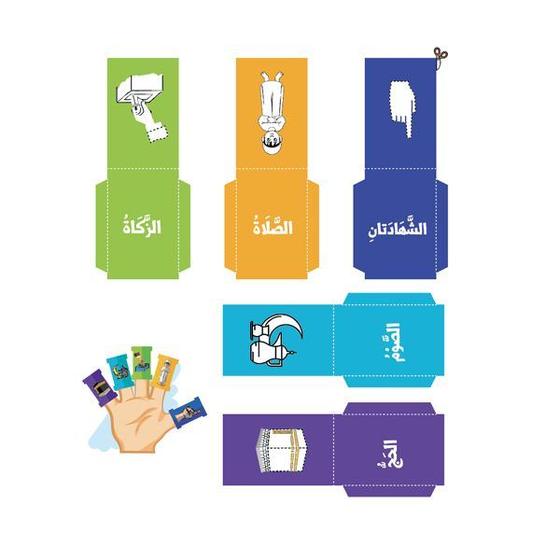
Children love to learn through hands-on activities, there’s no question about it. Whether it’s cutting, pasting…
Read more →
Islamic education has always been at the heart of Muslim family life, helping children grow with a strong connection to…
Read more →Thirty minutes, your student numbers, an honest answer about whether we are a fit. Onboarding, training and data migration are included — there is nothing to sign to find out.