
Islamic education has always been at the heart of Muslim family life, helping children grow with a strong connection to their faith, identity, and values. In 2025, the way we teach and learn Islam is evolving—driven by technology, globalisation, and a growing demand for authenticity combined with modern engagement.
If you’re a parent, staying updated on these trends can help you make better decisions about your child’s Islamic learning—whether that’s at school, through online platforms, or in everyday family life. Here’s what you need to know about the top Islamic education trends in 2025.
Technology is no longer just an optional extra in Islamic education—it’s now central to how children learn. Interactive apps, e-learning platforms, and virtual classrooms are bringing the Qur’an, Sunnah, and Islamic history to life in engaging ways.
Why it Matters for Parents
Digital tools make learning accessible, especially for busy families or those living in areas without Islamic schools. However, parents should still check for authenticity and ensure the content follows correct Islamic principles.
One of the Islamic education trends in 2025 is that Islamic education is placing greater emphasis on Tarbiyyah—character building—rather than focusing solely on academic knowledge.
Why it Matters for Parents
Strong character makes Islamic values part of daily life, not just something learned in class. Parents should look for programmes that balance ‘Ilm (knowledge) with Akhlaq (character).
Islamic education in 2025 is breaking away from rigid textbook learning. The trend is towards holistic education—teaching Islam alongside life skills, creativity, and emotional intelligence.
Why it Matters for Parents
Children retain more when learning is active and relevant to their lives. Parents can support this by linking Islamic lessons to real-world experiences at home.
No two children learn the Qur’an in exactly the same way. In 2025, AI-driven platforms and one-to-one online tutors are helping personalise memorisation (Hifz) and Tajweed lessons.
Why it Matters for Parents
This approach avoids frustration and burnout, especially for children with different learning paces or additional needs.
A major shift in Islamic education trends in 2025 is the rise of inclusive Islamic education for children with autism, ADHD, dyslexia, and other learning differences.
Why it Matters for Parents
Parents can now find resources that meet their child’s unique learning style, ensuring no child is left behind in understanding their deen.
Rather than choosing between online and offline learning, many Islamic education providers are offering blended models—mixing in-person classes with virtual sessions.
Why it Matters for Parents
Blended models give families more control over how and when their children learn, while still ensuring a connection to the community.
In 2025, there’s a growing recognition that Muslim children live in diverse societies and need to understand both Islamic identity and cultural sensitivity.
Why it Matters for Parents
This prepares children to confidently live their faith while respecting others—an essential skill in multicultural environments.
Islamic education in 2025 isn’t just for children—there’s a strong push for family-based learning.
Why it Matters for Parents
When parents learn alongside their children, it strengthens both knowledge and the family bond.
More schools and online platforms are now asking: How do we help children live Islam, not just learn it?
Why it Matters for Parents
Practical application builds confidence and ensures Islamic values aren’t confined to textbooks.
In 2025, there’s a stronger recognition of mental health in Islamic education. More programmes are combining psychology with Islamic principles to support children.
Why it Matters for Parents
This creates emotionally healthy children who see their faith as a source of strength in tough times.
Islamic education in 2025 is more dynamic, inclusive, and engaging than ever before. With the right approach, parents can help their children not only gain knowledge but also develop strong faith, good character, and the skills to thrive in today’s world.
By understanding these trends—and actively choosing programmes that align with both Islamic values and modern needs—you’re giving your child a solid foundation for both dunya and akhirah.
Published 14 August 2025 in Parenting. Questions? Get in touch.
Islam is a complete way of life. It doesn’t only guide us in matters of prayer and worship, but also in how we speak…
Read more →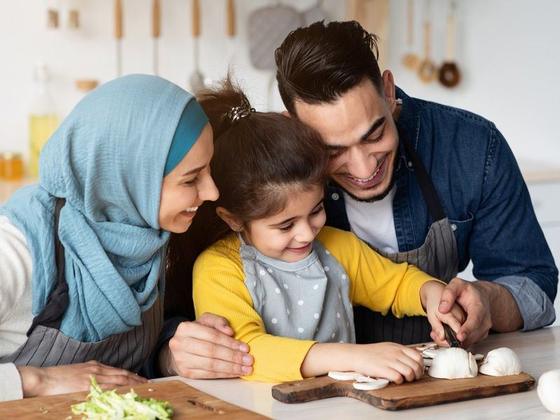
A child’s first school is their home. From the moment they begin to speak and explore the world, the home environment…
Read more →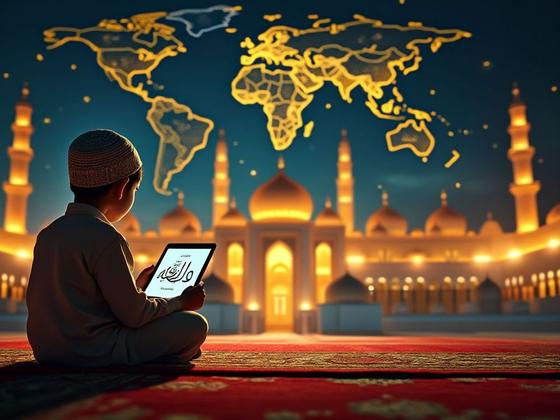
We live in a digital-first world. From smartphones and tablets to streaming platforms and educational apps, children…
Read more →Thirty minutes, your student numbers, an honest answer about whether we are a fit. Onboarding, training and data migration are included — there is nothing to sign to find out.