
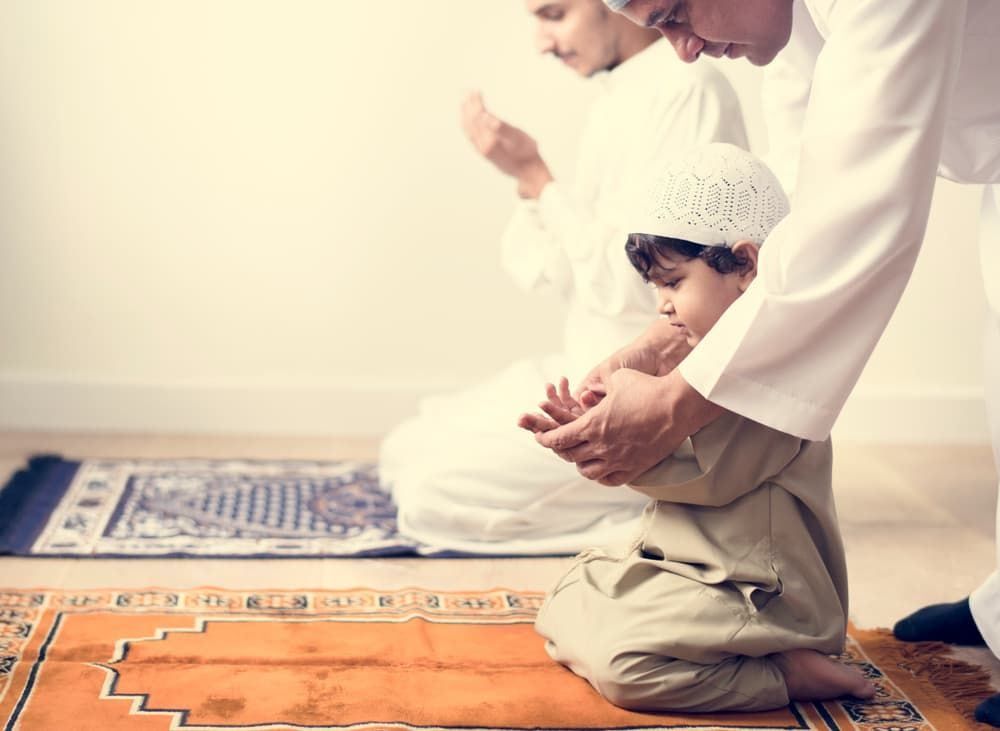
Raising children with a strong Islamic identity starts with meaningful conversations at home. One of the most important—and sometimes challenging—topics parents face is how to talk to their children about Allah and the Hereafter. In a world filled with distractions, doubts, and fast-paced information, guiding children with truth, love, and clarity is more vital than ever.
At Sidr Productions, we believe these early discussions form the heart of a child’s relationship with their Creator. Here’s how to approach this beautiful, essential topic in a way your child will understand, connect with, and cherish.
Why These Conversations Matter
Children are naturally curious. From a young age, they start asking big questions like:
These questions may feel overwhelming, but they are signs of your child’s spiritual development. By answering with patience and care, you help:
What Age Should You Start Talking About Allah?
The best time to introduce Allah is as early as possible. Just as we teach kids to say “thank you,” we teach them to say ‘Alhamdulillah’. By age 2 or 3, children can begin learning about:
By starting early, belief in Allah becomes something natural, not just educational.
How to Talk to Kids about Allah (Simple & Positive Approach)
Use Positive, Loving Language
Children should grow up seeing Allah as loving, merciful, and always near.
Instead of:
“Allah will punish you if you lie!”
Try:
“Allah loves it when we tell the truth.”
“Allah is happy when we share with others.”
This builds trust and helps your child love Allah, rather than fear Him in an unhealthy way.
Talk About Allah through His Names
One of the best ways to help children understand Allah is through His beautiful names (Asma ul-Husna). Focus on a few, such as:
Use stories, songs, and examples in daily life. For example:
“Look at the sky! Allah, Al-Khaliq, made it so beautiful.”
Make Duas Together and Explain the Connection
Encourage your child to talk to Allah through simple duas. When they lose something, remind them to say:
“Ya Allah, help me find it.”
This teaches that Allah is always listening, always available. You can also show answered duas (e.g. healing after being sick) as signs that Allah cares.
Use Nature to Teach Tawheed (Oneness of Allah)
When you see the moon, waves, mountains, or birds, say:
“SubhanAllah! Only Allah can create something so perfect.”
Children learn best through what they see, and nature is one of the best ways to teach them Tawheed (that Allah is One and has no partners).
How to Talk about the Hereafter (Jannah & Akhirah)
Discussing life after death can be a sensitive topic, but when taught properly, it gives children:
Describe Jannah in a Way They can Relate to
The Prophet Muhammad ﷺ described Jannah using things children understand and love.
Tell your child:
“In Jannah, you can have rivers of chocolate, toys that never break, and no one ever gets sick or sad.”
Use hadith stories about:
Make it a motivating vision, not a scary mystery.
Frame the Hereafter as Part of the Journey
Explain:
“This life is a test. After we die, we return to Allah. If we try our best to do good, we will enter Jannah, in shaa allah.”
Avoid graphic descriptions of punishment for young kids. Focus on reward, love for Allah, and the goal of pleasing Him.
Answer their Questions Honestly (But Gently)
If your child asks:
“Will you die someday?” or “Where is Allah?”
Don’t avoid or dismiss. Respond with gentle truth:
“Yes, everyone will return to Allah one day. But Allah is Ar-Rahman. He loves us more than anyone else.”
Tools that Help You Talk about Allah & the Afterlife
At Sidr Productions, we’ve created educational tools that make these big topics simple, visual, and child-friendly:
My Quran Journey App
Interactive learning about the Quran and the teachings of Allah, including stories and activities that reinforce belief in the unseen.
“What the Prophet Taught Me” Video Series
Short episodes that use animation to explain faith-based concepts like trust in Allah, kindness, prayer, and the purpose of life.
Deen Quest & Books
Islamic adventures that naturally incorporate lessons about Jannah, good deeds, angels, and Allah’s mercy through story.
These resources make it easy for parents and teachers to start the conversation.
Final Tips for Parents
Final Thoughts
Talking to your children about Allah and the Hereafter is one of the greatest gifts you can give them. These conversations don’t need to be complicated or perfect—they just need to be consistent, loving, and truthful.
In 2025, with so many voices trying to define identity, truth, and purpose for our children, let’s be the ones who teach them that Allah is their Creator, their Protector, and their ultimate destination.
Let Sidr Help You Bring these Lessons to Life
At Sidr Productions, we’re here to help you raise children who know, love, and remember Allah in everything they do. Explore our growing library of:
Visit sidr.productions to get started.
Published 17 June 2025 in Parenting. Questions? Get in touch.
As parents and educators striving to raise confident, God-conscious children, one of the most important spiritual…
Read more →
In today’s fast-paced digital world, where children are drawn to screens, games, and interactive platforms, Islamic…
Read more →
In a world filled with distractions, training and grooming children who love the Qur’an, and helping them form a…
Read more →Thirty minutes, your student numbers, an honest answer about whether we are a fit. Onboarding, training and data migration are included — there is nothing to sign to find out.