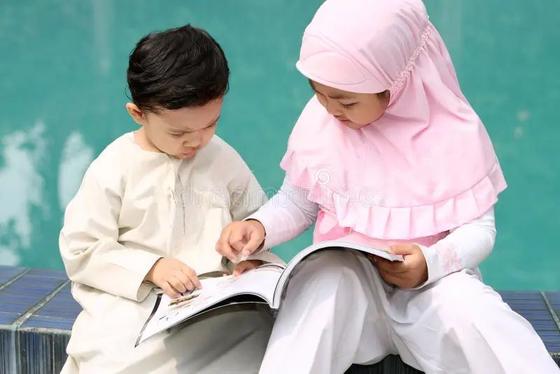
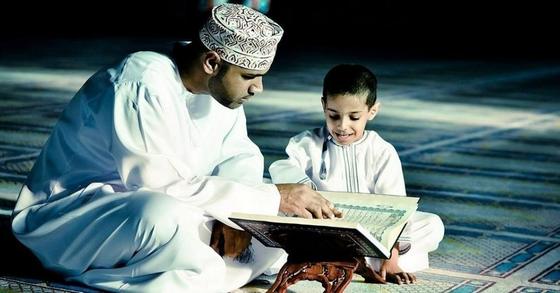
In 2025, Muslim children are growing up in a fast-paced digital world filled with constant stimulation, short-form content, and competing narratives. In this environment, Islamic books remain one of the most powerful tools for shaping identity, values, and faith in young Muslims.
Well-written Islamic books:
Strengthen iman and character
Build literacy and vocabulary
Help children understand Islamic values in relatable ways
Encourage reflection, curiosity, and empathy
Provide positive representation of Muslim identity
However, not all Islamic books for children are created equal. Parents and educators are increasingly looking for books that are:
Age-appropriate
Well-designed
Engaging and relevant
Faith-accurate and value-driven
Aligned with modern educational standards
This carefully curated list highlights the Top 10 Islamic Books for Young Muslims in 2025, selected for their storytelling quality, educational value, inclusivity, and ability to inspire a lifelong love of reading and learning.
1. My First Quran Stories (Updated 2025 Edition)
Age Range: 3–6 Years
This modern classic continues to be a favourite among parents and educators. The 2025 edition introduces improved illustrations, clearer language, and enhanced storytelling.
Why It Stands Out
Simplified Quran-inspired stories for young minds
Gentle introduction to prophets and morals
Colourful visuals that support comprehension
Short story format ideal for bedtime reading
What Children Learn
Basic Islamic values such as kindness, honesty, and patience
Early listening and narrative skills
Emotional connection to Quranic themes
2. The Adventures of Adam and Aminah Series
Age Range: 5–9 Years
This popular fiction series follows two relatable Muslim siblings navigating everyday life while learning Islamic manners and values.
Why It Stands Out
Strong character development
Relatable school and family scenarios
Subtle Islamic lessons woven into daily experiences
Encourages discussion and reflection
What Children Learn
Islamic etiquette (Adab)
Problem-solving through faith
Emotional intelligence and empathy
Confidence in Muslim identity
3. Stories of the Prophets for Young Readers
Age Range: 6–10 Years
A simplified but authentic retelling of the lives of the Prophets, adapted thoughtfully for young audiences.
Why It Stands Out
Age-appropriate language
Chronological storytelling
Rich moral lessons without overwhelming detail
Respectful and accurate portrayal
What Children Learn
Who the Prophets were
Core lessons of patience, faith, courage, and obedience to Allah
Connection between stories and real-life challenges
4. Goodnight Stories from the Sunnah
Age Range: 4–8 Years
A gentle bedtime collection inspired by the Sunnah of the Prophet Muhammad (ﷺ), focusing on daily behaviour and character.
Why It Stands Out
Calm, soothing tone suitable for bedtime
Short, reflective stories
Encourages mindful behaviour
Strengthens faith-based routines
What Children Learn
Manners such as gratitude, generosity, and forgiveness
Love for the Prophet Muhammad (ﷺ)
Applying Sunnah in everyday actions
5. The Islamic Values Storybook Collection
Age Range: 4–9 Years
This series focuses on character building through stories centred around individual values and, overall, an excellent addition to the best Islamic books for young Muslims.
Why It Stands Out
Each book focuses on one core Islamic value
Clear life applications
Encourages self-reflection
Suitable for classroom and home use
Values Covered Include
Honesty
Respect
Responsibility
Patience
Gratitude
Compassion
6. Learn Arabic Through Stories
Age Range: 6–10 Years
This bilingual or Arabic-supported storybook series introduces Arabic vocabulary through engaging narratives.
Why It Stands Out
Builds Arabic familiarity naturally
Contextual language learning
Includes pronunciation guides
Perfect for non-Arabic-speaking families
What Children Learn
Basic Arabic words and phrases
Language confidence
Connection between Arabic and Quran learning
7. The Little Muslim Heroes Series
Age Range: 7–11 Years
This inspiring series highlights historical and modern Muslim role models who made positive contributions to the world.
Why It Stands Out
Celebrates Muslim achievement
Encourages aspiration and confidence
Includes diverse backgrounds and cultures
Balanced between history and storytelling
What Children Learn
Pride in Muslim identity
The importance of contribution and purpose
Values such as courage, perseverance, and leadership
8. My Dua and Dhikr Book for Kids
Age Range: 3–8 Years
A simple, beautifully illustrated book introducing children to essential duas and remembrance.
Why It Stands Out
Clear language and short phrases
Visual cues for daily use
Promotes spiritual routine
Suitable for memorisation support
What Children Learn
Daily duas for common situations
Awareness of Allah in everyday life
The habit of remembrance (Dhikr)
9. Islamic Activity and Reading Companion Books
Age Range: 5–10 Years
These hybrid books blend reading with puzzles, colouring, comprehension activities, and reflection prompts.
Why It Stands Out
Combines entertainment and education
Reinforces content through active engagement
Ideal for reluctant readers
Encourages independent learning
Activities Often Include
Crossword puzzles
Word matching
Colouring pages
Reflection questions
Simple writing exercises
10. Digital Storybooks from the Alif Kids Library
Age Range: 4–11 Years
In 2025, digital reading continues to play a significant role in children’s literacy. The Alif Kids Library offers a curated digital collection of Islamic stories designed for modern Muslim families.
Why It Stands Out
Faith-aligned, age-appropriate content
Visually engaging digital format
Accessible anytime and anywhere
Supports both early and confident readers
What Children Gain
Consistent exposure to Islamic reading
Independent reading confidence
A safe, curated Islamic reading environment
A bridge between traditional books and modern learning habits
What Makes a Great Islamic Book for Children in 2025
When choosing Islamic books for young Muslims, parents and educators should look for the following qualities:
Strong Content Quality
Accurate Islamic teachings
Age-appropriate language
Clear moral direction without preaching
Engaging Presentation
Appealing illustrations
Clean layout and fonts
Child-friendly design
Relevance and Representation
Reflects diverse Muslim experiences
Addresses modern challenges
Encourages identity and belonging
Educational Value
Supports literacy development
Encourages discussion and thinking
Reinforces positive behaviour
How Parents and Educators Can Use These Books Effectively
In order for both parents and educators to ensure that these Islamic books for young Muslims have the intended effect, we recommend the following:
At Home
Establish a nightly reading routine
Read together before encouraging independent reading
Discuss lessons in a gentle, conversational way
Rotate between physical and digital books
In Schools and Madrasas
Use books as discussion starters
Connect stories to Quran and Islamic studies lessons
Incorporate digital libraries for blended learning
The Long-Term Impact of Reading Islamic Books
Children who grow up reading quality Islamic literature are more likely to:
Develop strong literacy skills
Have confidence in their Muslim identity
Build emotional intelligence and empathy
Retain Islamic values into adulthood
Maintain a lifelong love for learning
Books plant seeds that grow over time. Even stories read casually in childhood often leave deep, lasting impressions.
Conclusion: Building Faith through Reading
In 2025, raising well-rounded, confident Muslim children requires intentional effort — and books remain one of the most effective tools in that journey.
By choosing high-quality Islamic books for Muslim kids that inspire, educate, and engage, parents and educators help children:
Love reading
Understand their faith
Build strong moral foundations
Feel proud of who they are
Whether through printed books or trusted digital libraries like Alif Kids, nurturing reading habits today helps shape thoughtful, knowledgeable, and faith-grounded Muslims for tomorrow.
Published 27 November 2025 in
Parenting. Questions? Get in touch.
Thirty minutes, your student numbers, an honest answer about whether we are a fit.
Onboarding, training and data migration are included — there is nothing to sign to
find out.