
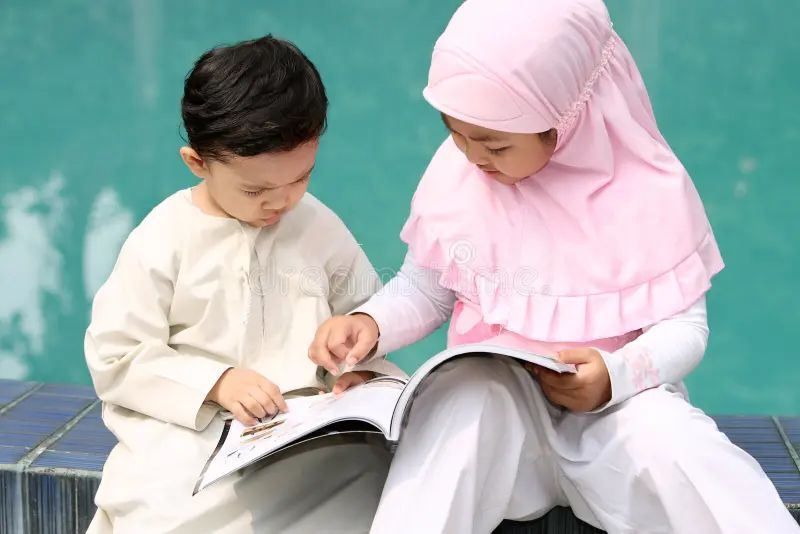
Reading is one of the most powerful skills a child can develop. It strengthens thinking, imagination, emotional intelligence, and communication. For Muslim children, reading holds an even deeper significance. Through books, children connect with language, faith, history, and values that shape their identity and worldview.
Yet today, many parents and educators struggle to nurture good reading habits in Muslim kids. Screens, short-form content, and constant digital distractions often compete with books for attention. This challenge is even greater when it comes to Islamic reading, as children may find religious texts difficult, unfamiliar, or less engaging than mainstream entertainment.
The good news is that regular reading habits in Muslim kids can be cultivated intentionally. With the right approach, the right content, and the right tools, reading can become a joyful, meaningful, and consistent part of a Muslim child’s life.
In this article, we explore why reading is essential for Muslim children, common obstacles to building reading habits, practical strategies parents and educators can use, and how the Alif Kids Library supports a love for reading through faith-aligned, child-friendly digital content.
The very first revelation of the Quran began with the command:
“Read in the name of your Lord who created.”
This powerful instruction establishes reading, learning, and reflection at the core of Islamic tradition.
For Muslim children, developing reading habits is not merely an academic goal. It is a continuation of a centuries-old legacy of scholarship, inquiry, and knowledge-seeking within the Ummah.
Through reading, children are able to:
Books allow children to ask questions, explore ideas, and internalise values in a way that passive media cannot.
Before discussing solutions, it is important to understand why reading habits do not always develop naturally.
Children today are immersed in:
Books require patience and sustained attention, which can feel challenging without guidance.
Many Islamic books for children are:
When content does not align with a child’s developmental level, interest quickly fades.
When reading is treated as an obligation or test, rather than enjoyment, children may associate it with stress instead of curiosity.
Reading habits are built through routine. Without structure, consistency, and repetition, even interested children may drift away from books.
Young readers need stories that:
Faith-based content should be introduced gradually and naturally, without overwhelming children with heavy theological explanations.
Children engage more deeply when they see themselves in the stories they read. Topics such as:
Help children connect Islamic values to real life.
Consistency matters more than duration. Even:
Can build strong long-term habits.
Routine creates predictability, and predictability builds comfort and commitment.
Children learn by imitation. When parents read:
Children internalise reading as a valued activity.
Reading together allows adults to:
This shared experience builds emotional connection to books and to faith.
When reading becomes:
Children may lose intrinsic motivation and that’s when encouraging good reading habits in Muslim kids becomes a real challenge.
Ask open-ended questions such as:
These conversations make reading meaningful rather than mechanical.
Children often remember stories far longer than rules. Through stories, they learn:
Stories allow Islamic teachings to be absorbed naturally, without feeling forced.
A balanced reading regimen includes:
Each type strengthens a different aspect of learning.
Autonomy increases motivation. Giving children options within a curated, halal environment empowers them to explore their interests.
Every child develops reading skills at their own pace. Avoid statements that:
Progress matters more than speed.
Digital tools are not the enemy of reading. When used responsibly, they can significantly support literacy and help instill good reading habits in Muslim kids.
For modern Muslim families, digital reading often complements physical books rather than replacing them.
The Alif Kids Library is designed specifically to support Muslim children in developing literacy within an Islamic ethical framework. It removes the guesswork for parents by offering:
Children engage with content differently. The library supports:
This inclusive approach helps more children succeed
By making books easily accessible and enjoyable, children:
Parents benefit from knowing their children are engaging with safe, meaningful material.
Supporting Reading at Home and in Schools
Here’s what we recommend you do when it comes to instilling good reading habits in Muslim kids:
Partnership between home and school strengthens reading habits.
When Muslim children develop strong reading habits, they gain:
Most importantly, they learn to love learning itself.
Encouraging reading habits in Muslim children is not about forcing pages or meeting targets. It is about nurturing curiosity, building routine, and creating positive associations with words, stories, and knowledge.
With intentional guidance, supportive environments, and tools like the Alif Kids Library, reading becomes more than an academic skill. It becomes a bridge between imagination, identity, and faith.
By investing in reading today, we equip Muslim children with the tools they need to grow into thoughtful, knowledgeable, and spiritually grounded adults.
Published 26 November 2025 in Parenting. Questions? Get in touch.
Teaching the Quran to young children is one of the most rewarding responsibilities a parent or educator can undertake.…
Read more →
Raising children who are emotionally intelligent is one of the most important goals of modern parenting. Emotional…
Read more →
In 2025, Muslim children are growing up in a fast-paced digital world filled with constant stimulation, short-form…
Read more →Thirty minutes, your student numbers, an honest answer about whether we are a fit. Onboarding, training and data migration are included — there is nothing to sign to find out.