
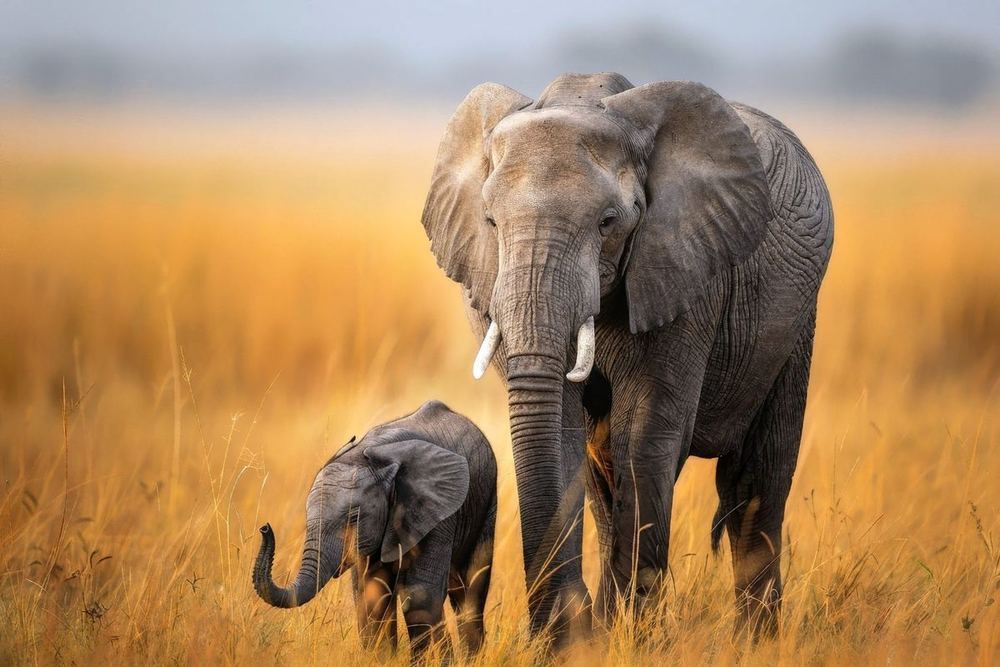
The Quran is filled with stories that offer profound lessons in faith, patience, and the power of Allah. Among these, the story of Surah Al-Fil (The Elephant) stands out as a remarkable reminder of Allah’s absolute control over all affairs and His ability to protect His sacred places without the need for human intervention. This short but powerful surah recounts a historical event that took place just before the birth of Prophet Muhammad (SAW), highlighting the fate of an arrogant ruler and his army of elephants who dared to attack the Kaaba in Makkah.
For children, the story of Surah Al-Fil is not only captivating but also filled with valuable lessons about Allah’s power, the consequences of pride and arrogance, and the importance of trusting Allah’s protection. At Sidr Productions, we aim to bring such stories to life through engaging platforms like My Quran Journey and Kids Read, helping children connect with Quranic lessons in a fun and meaningful way.
In this article, we will explore the story behind Surah Al-Fil, its historical context, and the powerful lessons it teaches children about Allah’s might, faith, and humility.
Surah Al-Fil (Chapter 105 of the Quran) recounts the famous event of the Year of the Elephant (‘Aam al-Fil), which occurred in 570 CE, the same year Prophet Muhammad (SAW) was born. This event is significant not only for its miraculous nature but also for the way it set the stage for the coming of the final Prophet.
A powerful ruler named Abraha, who governed Yemen under the rule of the Christian Kingdom of Aksum (modern-day Ethiopia), built a magnificent cathedral in the city of Sana’a. He wanted to divert the attention of the Arabs from the Kaaba in Makkah to his cathedral, hoping to make it the center of pilgrimage and commerce. However, the Arabs remained deeply attached to the Kaaba, which had been a sacred site since the time of Prophet Ibrahim (AS).
Frustrated by his failure to attract pilgrims, Abraha decided to destroy the Kaaba to force people to shift their religious focus to his cathedral. He assembled a large army, including war elephants, led by the largest and most powerful elephant named Mahmood. The sight of elephants in Arabia was unusual and terrifying for the people of Makkah, who had never seen such creatures before.
As Abraha and his army approached Makkah, the people were powerless to defend the Kaaba. Abdul Muttalib, the grandfather of Prophet Muhammad (SAW) and the leader of the Quraysh, knew that the Kaaba was under Allah’s protection. He advised the people to leave the city and seek refuge in the mountains, trusting Allah to protect His sacred house.
When Abraha’s army reached the outskirts of the Kaaba, something miraculous happened. Allah sent flocks of birds called Ababil, each carrying small stones of baked clay in their beaks and claws. The birds dropped these stones on the soldiers and elephants, and wherever the stones hit, they caused destruction and disease. The mighty army was quickly defeated, and Abraha himself suffered a terrible fate. The Kaaba remained untouched, a powerful testament to Allah’s supreme power.
Surah Al-Fil consists of five short verses that vividly describe the event:
أَلَمْ تَرَ كَيْفَ فَعَلَ رَبُّكَ بِأَصْحَابِ الْفِيلِ
Alam tara kayfa faʿala rabbuka bi-aṣḥābi al-fīl
“Have you (O Muhammad) not seen how your Lord dealt with the companions of the elephant?”
أَلَمْ يَجْعَلْ كَيْدَهُمْ فِي تَضْلِيلٍ
Alam yajʿal kaydahum fī taḍlīl
“Did He not make their plot go astray?”
وَأَرْسَلَ عَلَيْهِمْ طَيْرًا أَبَابِيلَ
Wa-arsala ʿalayhim ṭayran abābīl
“And He sent against them birds in flocks,”
تَرْمِيهِمْ بِحِجَارَةٍ مِّن سِجِّيلٍ
Tarmīhim bi-ḥijāratin min sijjīl
“Striking them with stones of baked clay,”
فَجَعَلَهُمْ كَعَصْفٍ مَّأْكُولٍ
Fajaʿalahum kaʿaṣfin maʾkūl
“And made them like eaten straw.”
These verses serve as a powerful reminder of how Allah protects His sacred places and how arrogant oppressors are brought to ruin by His will.
While the story of Surah Al-Fil is dramatic and exciting, it holds deep lessons for children about faith, trust in Allah, and the dangers of pride and arrogance.
The story illustrates that no matter how strong or powerful someone appears, Allah’s power is greater. Abraha had a large army with mighty elephants, but they were no match for Allah’s will. Even small birds, creatures that seemed insignificant compared to the elephants, were used by Allah to defeat a powerful army.
When faced with Abraha’s mighty army, the people of Makkah, under the leadership of Abdul Muttalib, did not attempt to fight back. Instead, they trusted that Allah would protect His house, the Kaaba. This teaches a valuable lesson about the importance of trusting Allah when we have done everything within our power.
The story of Surah Al-Fil is a beautiful reminder of Allah’s unmatched power and the importance of faith, trust, and humility. For children, this story serves as an engaging way to learn about the consequences of arrogance, the value of trusting Allah, and how small actions can lead to big changes.
At Sidr Productions, we strive to bring these Quranic stories to life through interactive content, educational tools, and digital platforms that make learning about Islam fun and meaningful for children. Whether through My Quran Journey, Kids Read, or Deen Quest, our goal is to inspire children to connect with their faith and carry the lessons of the Quran into their daily lives.
Published 25 June 2024 in Stories & occasions. Questions? Get in touch.

Salah (prayer) is the cornerstone of a Muslim’s faith—a direct connection between the believer and Allah (SWT). It’s…
Read more →
Ramadan is a month of spiritual reflection, self-discipline, and community. While adults focus on fasting, prayer, and…
Read more →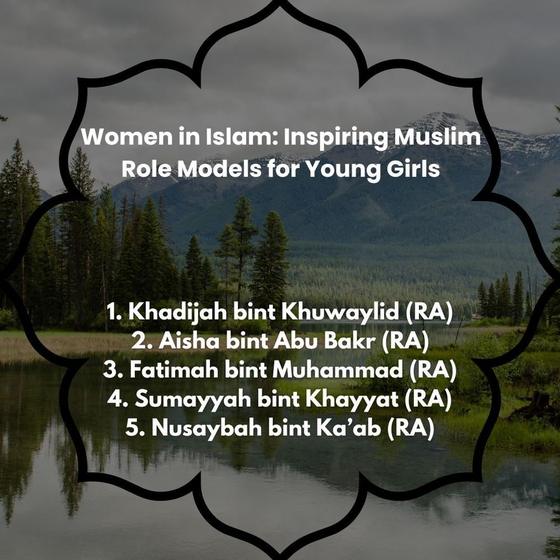
Islam has a rich history of strong, intelligent, and compassionate women who have left lasting legacies through their…
Read more →Thirty minutes, your student numbers, an honest answer about whether we are a fit. Onboarding, training and data migration are included — there is nothing to sign to find out.