
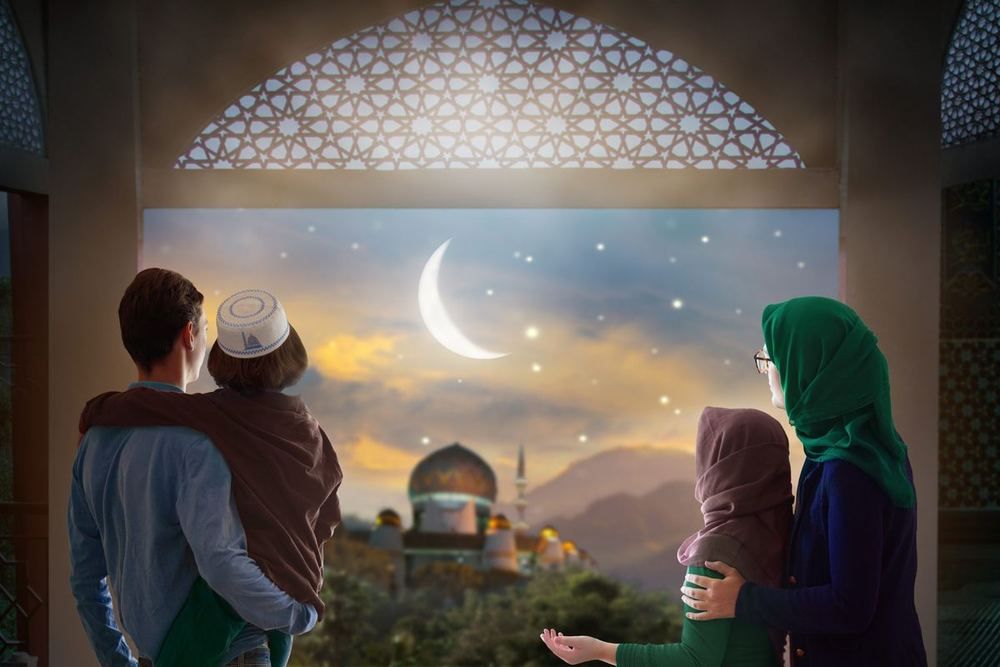
Ramadan is a month of spiritual reflection, self-discipline, and community. While adults focus on fasting, prayer, and charity, it’s also a golden opportunity for families to come together and strengthen their bonds. For parents, Ramadan offers the chance to instill Islamic values in their children while creating lasting memories rooted in faith and family unity.
The beauty of Ramadan lies not just in personal worship but in the shared experiences that bring families closer. From preparing suhoor together to breaking fast as a family and engaging in nightly prayers, every moment can be transformed into an opportunity to foster love, understanding, and connection within the family. However, balancing the spiritual aspects of Ramadan with parenting responsibilities can sometimes be challenging, especially with young children.
At Sidr Productions, we understand the importance of nurturing faith and family connections simultaneously. Through platforms like My Quran Journey, Deen Quest, and Kids Read, we provide parents with tools to make Islamic learning fun and accessible, ensuring that children are engaged in the spirit of Ramadan in ways that resonate with them.
In this blog, we’ll share Islamic parenting tips to help you strengthen your family bond during Ramadan, making the holy month a time of growth, togetherness, and spiritual enrichment.
Creating a Ramadan-friendly environment at home sets the stage for a spiritually enriching month. When children see their parents engaged in acts of worship and reflection, they naturally begin to adopt those behaviors.
A consistent Ramadan routine helps children feel more connected to the month’s spiritual rhythm. Structure the day to include time for worship, family bonding, and rest.
How to Apply:
Children are more likely to engage with Ramadan when they feel its presence in their environment. Decorating the home and incorporating Ramadan-themed activities helps make the month special.
How to Apply:
While young children may not be required to fast, involving them in acts of worship helps them feel part of the Ramadan experience and fosters a deeper connection to their faith.
Even if children are not fasting the entire day, explaining the spiritual significance of fasting helps them understand its purpose and feel connected to the practice.
How to Apply:
Praying together as a family fosters both spiritual and emotional bonds. Encourage your children to join you in daily prayers and explain their significance.
How to Apply:
Reading the Quran is a central part of Ramadan, and making it engaging for children ensures they develop a lasting connection to Allah’s words.
How to Apply:
One of the pillars of Ramadan is charity (sadaqah). Teaching children to give back fosters a sense of empathy and compassion while reinforcing the importance of helping those in need.
Explaining the concept of sadaqah in simple terms helps children understand how even small acts of giving can make a big difference.
How to Apply:
Kindness is a core value in Islam, and Ramadan is the perfect time to instill this in children through daily acts of generosity and good deeds.
How to Apply:
While the spiritual aspects of Ramadan are important, incorporating fun activities ensures children look forward to the month and associate it with positive experiences.
Incorporate Islamic games and activities that make learning about Ramadan fun and engaging.
How to Apply:
Storytelling is a powerful way to teach children about the values and significance of Ramadan.
How to Apply:
Ramadan is not just about external worship but also about internal reflection and gratitude. Creating moments for reflection as a family strengthens both spiritual and emotional connections.
Reflecting on the spiritual lessons of Ramadan helps children internalize its significance and feel connected to their faith.
How to Apply:
Setting spiritual goals for Ramadan helps keep the family focused on growth and encourages everyone to support each other in their journey.
How to Apply:
Eid is the joyful culmination of a month of spiritual growth and family bonding. Celebrating Eid together in meaningful ways reinforces the values learned during Ramadan.
Involve your children in Eid preparations to make the celebration feel special and connected to the efforts of Ramadan.
How to Apply:
Take time to reflect on what your family has learned and achieved during Ramadan, celebrating both spiritual and personal growth.
How to Apply:
Ramadan is not just a month of fasting and prayer—it’s a time for families to come together, grow in their faith, and strengthen their bonds. By incorporating Islamic values, engaging activities, and meaningful reflections, parents can create a Ramadan experience that is both spiritually enriching and emotionally fulfilling for their children.
At Sidr Productions, we are dedicated to supporting families on this journey with tools like My Quran Journey, Deen Quest, and Kids Read, designed to make Islamic learning accessible and fun for children of all ages. By blending faith with family traditions, you can make Ramadan a time of joy, growth, and lasting memories that your children will carry with them throughout their lives.
As you navigate this blessed month, remember that the simple moments—sharing an iftar meal, reading a story together, or performing a small act of kindness—are the building blocks of a stronger family bond rooted in faith and love.
Published 15 July 2024 in Stories & occasions. Questions? Get in touch.

The Quran is filled with stories that offer profound lessons in faith, patience, and the power of Allah. Among these…
Read more →
Salah (prayer) is the cornerstone of a Muslim’s faith—a direct connection between the believer and Allah (SWT). It’s…
Read more →
Islam has a rich history of strong, intelligent, and compassionate women who have left lasting legacies through their…
Read more →Thirty minutes, your student numbers, an honest answer about whether we are a fit. Onboarding, training and data migration are included — there is nothing to sign to find out.