
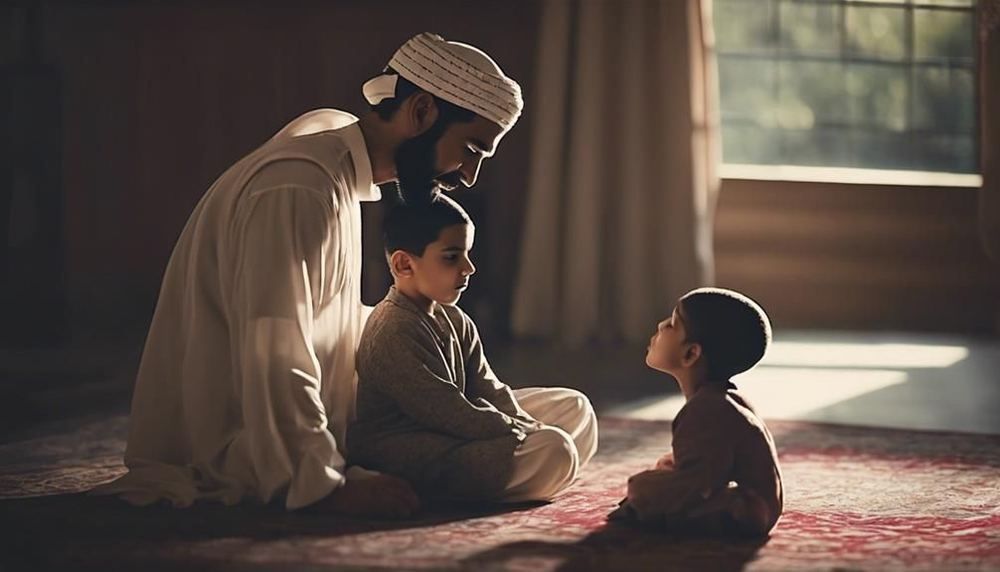
Gratitude, known as shukr in Islam, is more than a simple expression of thanks. It is a deep, reflective state of recognising blessings, appreciating them, and using them in ways that please Allah. In the context of parenting, gratitude plays a powerful role in shaping a child’s emotional well-being, character, and overall outlook on life.
Raising emotionally healthy children involves more than meeting their physical needs or providing academic support. It requires nurturing their inner world, helping them develop resilience, empathy, and a sense of contentment. Gratitude serves as a foundational quality that supports all of these aspects.
When children are taught to recognise and appreciate what they have, they are better equipped to navigate challenges, build meaningful relationships, and maintain a balanced perspective.
This article explores the role of gratitude in raising emotionally healthy children, offering insights into its significance and practical ways to cultivate it within the home.
Gratitude in Islam is not limited to saying “thank you”. It encompasses three dimensions: recognising blessings in the heart, expressing thanks through words, and demonstrating appreciation through actions.
For children, this understanding can be introduced gradually. They can learn that gratitude is not only about acknowledging gifts or favours, but also about recognising everyday blessings such as family, health, food, and opportunities.
Teaching children this broader concept helps them move beyond surface-level expressions and develop a deeper sense of awareness and appreciation.
Gratitude has a profound impact on emotional health. Children who practise gratitude tend to have a more positive outlook, higher levels of happiness, and greater resilience in the face of difficulties.
When children focus on what they have rather than what they lack, they are less likely to feel dissatisfaction or envy. This mindset reduces stress and fosters contentment.
Gratitude also helps children process challenges in a healthier way. Instead of becoming overwhelmed by setbacks, they can find aspects of their situation to appreciate, which supports emotional balance and coping.
Life inevitably brings challenges, and children need the tools to cope with them effectively. Gratitude plays a key role in building resilience and raising emotionally healthychildren.
When children are encouraged to recognise blessings even during difficult times, they develop the ability to maintain perspective. For example, a child who struggles at school can still be guided to appreciate supportive teachers, helpful friends, or the opportunity to learn.
This balanced outlook does not ignore difficulties but places them within a broader context. Over time, children learn that challenges are part of life, and that there is always something to be grateful for.
Gratitude naturally leads to empathy. When children recognise their own blessings, they become more aware of the experiences of others.
This awareness can inspire acts of kindness and generosity. For instance, a child who appreciates having enough food may feel motivated to help those who are less fortunate.
Parents can reinforce this connection by involving children in charitable activities and discussing the importance of caring for others. These experiences help children understand that gratitude is not only about personal benefit but also about contributing to the well-being of others.
In a world where children are often surrounded by material abundance and constant comparison, feelings of entitlement can easily develop.
Gratitude serves as a counterbalance to this tendency. When children are taught to appreciate what they have, they are less likely to take things for granted or constantly seek more.
This sense of contentment promotes emotional stability and reduces dissatisfaction. Children learn that happiness does not depend solely on acquiring new possessions, but on valuing what is already present in their lives.
Children learn most effectively through observation. When parents demonstrate gratitude in their own lives, children are more likely to adopt similar attitudes.
This can be as simple as expressing thanks for everyday blessings, acknowledging the efforts of others, or speaking positively about situations.
For example, a parent who says, “I am grateful for this meal” or “I appreciate your help” provides a clear model for children to follow. These expressions create a culture of gratitude within the home.
Consistency is important. When children see gratitude practised regularly, it becomes a natural and expected part of life.
One of the most effective ways to nurture gratitude is to integrate it into daily routines.
Families can establish simple practices such as sharing something they are grateful for at the end of the day. This encourages reflection and helps children focus on positive experiences.
Another approach is to connect gratitude with daily activities. For example, before meals, families can pause to acknowledge the blessings of food and the effort involved in providing it.
These routines do not need to be elaborate. The key is consistency and sincerity, allowing gratitude to become a habitual way of thinking.
Gratitude begins with awareness. Children need to recognise the blessings around them before they can appreciate them.
Parents can encourage this awareness by drawing attention to everyday moments. For instance, pointing out a beautiful sunset, a kind gesture, or a moment of success helps children notice and value these experiences.
Asking reflective questions such as “What made you happy today?” or “What are you thankful for?” can also guide children towards recognising positive aspects of their lives.
Over time, this practice helps children develop a habit of noticing and appreciating the good in their surroundings.
Islam provides a rich framework for understanding and practising gratitude. Verses of the Quran and teachings of the Prophet Muhammad emphasise the importance of recognising and appreciating blessings.
Parents can introduce these teachings in a way that is appropriate for the child’s age. For example, explaining that Allah loves those who are grateful or sharing simple stories that highlight gratitude can make the concept more meaningful.
Linking gratitude to faith helps children see it as an integral part of their relationship with Allah, rather than just a social expectation.
Difficult situations can be valuable opportunities to reinforce gratitude, something which will ultimately help you in raising emotionally healthy children.
When children face disappointment or frustration, parents can guide them to reflect on what remains positive. This does not mean dismissing their feelings, but rather helping them find balance.
For example, if a child is upset about losing a game, they can be encouraged to appreciate the effort they made, the fun they had, or the support of their friends.
This approach helps children process emotions constructively and develop a more resilient mindset.
Gratitude is most meaningful when it is expressed through actions.
Encouraging children to show appreciation to others, whether through kind words, helping behaviour, or small gestures, reinforces the concept.
Writing thank-you notes, helping with household tasks, or expressing appreciation to teachers and friends are simple ways children can practise gratitude.
These actions not only strengthen relationships but also deepen the child’s understanding of gratitude as an active quality.
While gratitude is important, it should not be used to suppress or ignore genuine emotions.
Children need to feel that their feelings are valid and that they can express them openly. Gratitude should complement emotional honesty, not replace it.
For instance, a child can be upset about a situation while still recognising something positive within it. This balanced approach supports emotional health and prevents feelings from being dismissed.
Parents should listen empathetically and then gently guide children towards gratitude, rather than forcing it.
An environment that promotes gratitude is one where positivity, appreciation, and encouragement are present.
Celebrating achievements, acknowledging effort, and expressing appreciation for one another contribute to this atmosphere.
When children feel valued and supported, they are more likely to develop a positive outlook and practise gratitude naturally.
This environment also strengthens family bonds, creating a sense of unity and mutual respect.
The habits and attitudes developed in childhood often carry into adulthood. Children who grow up with a strong sense of gratitude are more likely to become emotionally balanced, resilient, and compassionate individuals.
They are better equipped to handle life’s challenges, maintain healthy relationships, and find satisfaction in their lives.
Gratitude also strengthens their connection with their faith, as they learn to recognise and appreciate the blessings provided by Allah.
This long-term impact highlights the importance of nurturing gratitude from an early age.
Gratitude, or shukr, is a powerful tool in raising emotionally healthy children. It shapes their perspective, strengthens their resilience, and fosters empathy and contentment.
By modelling gratitude, incorporating it into daily routines, and connecting it to Islamic teachings, parents and caregivers can help children develop this essential quality.
The goal is not to create perfect expressions of gratitude, but to nurture a genuine and lasting mindset of appreciation.
Through patience, consistency, and sincerity, gratitude can become a natural part of a child’s life, supporting their emotional well-being and guiding them towards a balanced and fulfilling future.
Published 13 April 2026 in Parenting. Questions? Get in touch.
Dua, or supplication, is one of the most intimate and powerful acts of worship in Islam. It is a direct conversation…
Read more →
Raising children has never been a simple task, but in the age of social media, it has become even more complex. Today’s…
Read more →
Family is at the heart of Islamic life. It is within the home that beliefs are nurtured, values are practised, and…
Read more →Thirty minutes, your student numbers, an honest answer about whether we are a fit. Onboarding, training and data migration are included — there is nothing to sign to find out.