
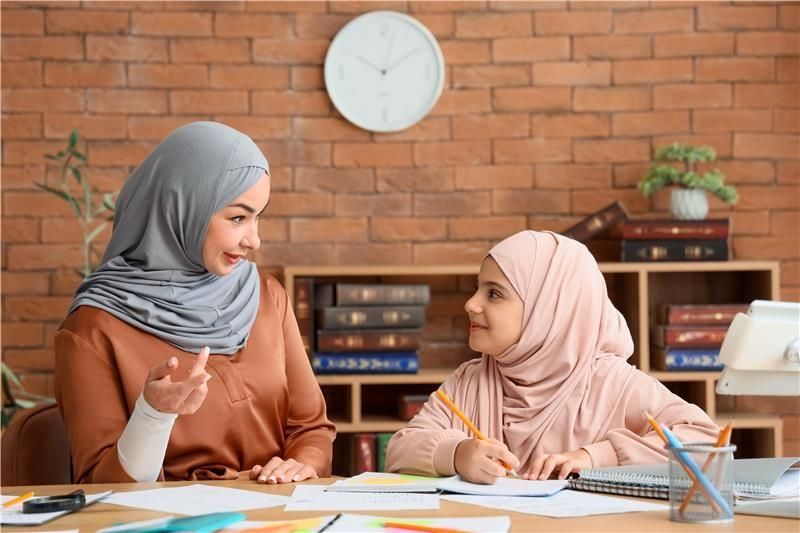
Raising children has never been a simple task, but in the age of social media, it has become even more complex. Today’s children are growing up in a digital world where information, entertainment, and social interaction are constantly at their fingertips. While technology offers many benefits, it also presents challenges that can influence a child’s beliefs, behaviour, and sense of identity.
For Muslim families, the task is not only to guide children through the digital landscape but also to ensure that their faith remains strong and relevant. The goal is not to isolate children from modern realities, but to equip them with the values, awareness, and self-discipline needed to navigate them wisely.
This article explores the best ways to raise Muslim children in the age of social media, focusing on balance, guidance, and the nurturing of a strong Islamic identity.
Before guiding children, it is essential for parents to understand the world they are living in. Social media platforms are not just tools for communication; they shape trends, influence opinions, and create standards that can affect how children see themselves and others.
Children are exposed to a wide range of content, from educational material to unrealistic lifestyles, peer pressure, and harmful messages. Without guidance, they may struggle to distinguish between what is beneficial and what is misleading.
Parents who take the time to familiarise themselves with popular platforms, trends, and potential risks are better equipped to support their children. This understanding also helps build trust, as children are more likely to listen when they feel their parents are informed and engaged.
A strong sense of identity acts as a foundation that helps children navigate external influences. When children understand who they are as Muslims, they are more likely to make choices that align with their values.
This identity is built through consistent exposure to Islamic teachings, practices, and role models. It involves helping children understand not only what Islam teaches, but why it matters in their lives.
Discussions about faith should be open and relevant. For example, talking about modesty, honesty, or kindness in the context of online behaviour helps children see how their beliefs apply in the digital world.
When children feel confident in their identity, they are less likely to be swayed by negative influences.
Communication is one of the most important tools in parenting, especially in the context of social media.
Children should feel comfortable discussing their online experiences, including what they see, who they interact with, and any concerns they may have. Creating a non-judgemental environment encourages honesty and openness.
Instead of reacting with immediate criticism or restriction, parents can listen and guide. Asking questions such as “What do you think about this?” or “How did that make you feel?” helps children reflect and develop critical thinking skills.
Open communication also allows parents to address issues early, before they become more serious.
While trust is important, children also need clear boundaries to navigate social media safely.
These boundaries can include rules about screen time, the types of platforms they can use, and the kind of content they should avoid. It is helpful to explain the reasons behind these guidelines so that children understand their purpose.
For example, limiting screen time can be framed as a way to maintain balance and protect well-being. Avoiding certain content can be linked to preserving values and mental health.
Consistency is key when it comes to learning how to raise Muslim children in the age of social media. When rules are applied fairly and consistently, children are more likely to respect them.
Social media use is not only about consumption but also about interaction. Children need to understand that their actions online have real consequences.
Teaching digital responsibility involves guiding children on how to communicate respectfully, protect their privacy, and avoid harmful behaviour such as bullying or spreading misinformation.
From an Islamic perspective, this can be linked to the concept of accountability. Children can be taught that their words and actions, whether online or offline, are seen by Allah and carry responsibility.
This understanding encourages mindfulness and self-regulation.
One of the greatest challenges of social media is the spread of unrealistic expectations and misinformation.
Children need to develop the ability to question what they see rather than accepting it at face value. Parents can help by discussing examples of edited images, curated lifestyles, or misleading content.
Encouraging children to ask questions such as “Is this realistic?” or “What might be missing from this picture?” helps them develop a balanced perspective.
Critical thinking also applies to trends and peer pressure. Children who can evaluate situations thoughtfully are better equipped to make informed choices.
Excessive screen time can impact a child’s physical health, emotional well-being, and spiritual development.
Creating a balanced routine that includes outdoor play, reading, family time, and acts of worship helps reduce reliance on screens.
Encouraging hobbies and interests outside of the digital world provides children with alternative sources of fulfilment and enjoyment.
Family activities, such as shared meals, discussions, or outings, strengthen relationships and provide opportunities for meaningful interaction.
Children often imitate the behaviour of adults. Parents who demonstrate balanced and responsible use of technology set a powerful example.
This includes limiting their own screen time, avoiding excessive use of devices during family interactions, and engaging in positive online behaviour.
When children see that their parents value real-life connections and practise self-discipline, they are more likely to adopt similar habits.
Modelling also involves showing how technology can be used positively, such as for learning, communication, or accessing beneficial content.
Rather than viewing social media solely as a challenge, it can also be used as a tool for positive engagement.
Parents can introduce children to beneficial content, such as Islamic lectures, educational videos, or inspiring stories. This helps balance the type of material they are exposed to.
Encouraging children to follow positive role models who reflect Islamic values can also influence their perspective.
In this way, the digital space becomes an extension of their learning and spiritual growth, rather than a distraction from it.
Social media often creates an environment of comparison, where children may feel pressured to conform to certain standards or lifestyles.
This can affect self-esteem and lead to feelings of inadequacy.
Parents can counter this by emphasising the importance of inner values over outward appearances. Discussions about self-worth, gratitude, and individuality help children build confidence.
Reminding children that social media often presents a selective and edited version of reality can also reduce the impact of comparison.
Encouraging them to focus on their own strengths and goals fosters a healthier mindset.
The constant exposure to information and social interaction can be overwhelming for children.
Parents should be attentive to signs of stress, anxiety, or changes in behaviour related to social media use. This is absolutely critical to raise Muslim children in the age of social media.
Creating opportunities for relaxation, reflection, and open conversation helps support emotional well-being.
Encouraging practices such as prayer, remembrance of Allah, and gratitude can provide a sense of calm and stability.
When children have a strong emotional foundation, they are better equipped to handle the pressures of the digital world.
Islam places great emphasis on modesty, not only in appearance but also in behaviour and speech.
In the context of social media, this includes being mindful of what is shared, how one communicates, and how one presents oneself.
Parents can guide children on appropriate boundaries, such as avoiding oversharing personal information or engaging in inappropriate interactions.
These discussions should be age-appropriate and framed positively, focusing on dignity and self-respect rather than restriction.
Helping children understand the value of modesty empowers them to make thoughtful choices.
While social media connects people virtually, it should not replace real-life relationships.
Encouraging children to build strong connections with family, friends, and community members provides emotional support and a sense of belonging.
Participation in community activities, such as mosque events or group programmes, helps reinforce these connections.
Face-to-face interactions also develop important social skills that cannot be fully replicated online.
Maintaining these relationships ensures that children have a balanced social life.
Parenting in the age of social media requires flexibility and patience.
Technology is constantly evolving, and new challenges may arise. Parents should be willing to learn, adapt, and adjust their approach as needed.
Mistakes are part of the learning process, both for children and for parents. Responding with understanding and guidance rather than harshness helps maintain trust.
The goal is not to control every aspect of a child’s digital life, but to guide them towards making responsible and informed choices.
Learning how to raise Muslim children in the age of social media is a complex but manageable task when approached with awareness, balance, and intention.
By building a strong Islamic identity, fostering open communication, setting clear boundaries, and modelling positive behaviour, parents can help their children navigate the digital world with confidence and integrity.
Social media, like any tool, can be used for both benefit and harm. The key lies in guiding children to use it wisely, while staying grounded in their faith and values.
With patience, consistency, and a focus on long-term development, families can raise children who are not only digitally aware but also spiritually strong and emotionally resilient.
Published 13 April 2026 in Parenting. Questions? Get in touch.
Dua, or supplication, is one of the most intimate and powerful acts of worship in Islam. It is a direct conversation…
Read more →
Gratitude, known as shukr in Islam, is more than a simple expression of thanks. It is a deep, reflective state of…
Read more →
Family is at the heart of Islamic life. It is within the home that beliefs are nurtured, values are practised, and…
Read more →Thirty minutes, your student numbers, an honest answer about whether we are a fit. Onboarding, training and data migration are included — there is nothing to sign to find out.