
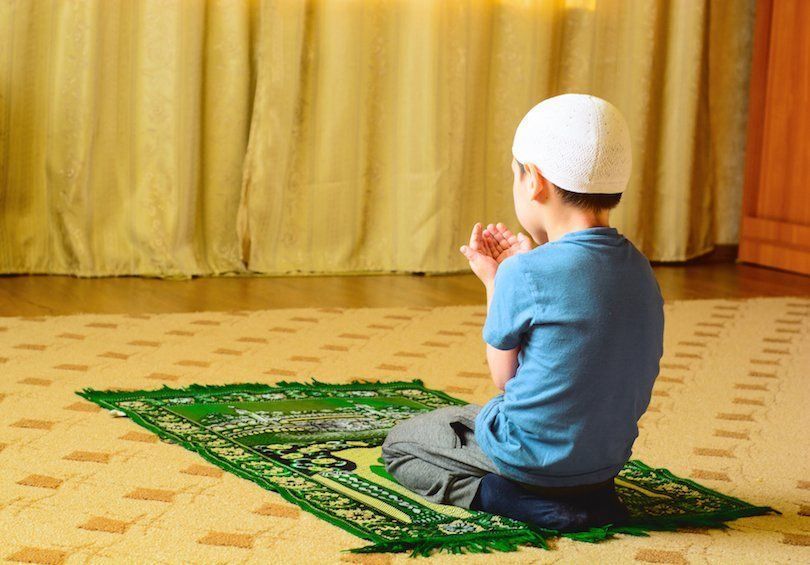
Dua, or supplication, is a central aspect of Islamic practice. It is a personal conversation with Allah that reflects faith, reliance, and humility. Teaching children to make dua is more than simply reciting Arabic words; it is about helping them understand the meaning, purpose, and significance of their prayers. When children learn dua with comprehension, they develop a stronger spiritual connection, increased mindfulness, and an appreciation for the values of gratitude, patience, and reliance on Allah.
For parents and educators, guiding children in dua requires thoughtful approaches that combine teaching, modeling, reflection, and consistent practice. This article explores strategies for teaching children to make dua with meaning and understanding, emphasizing methods that nurture faith, comprehension, and personal connection to Allah.
Dua is a form of worship that complements ritual acts such as prayer, fasting, and zakat. It is an expression of a believer’s dependence on Allah, humility before His wisdom, and trust in His mercy. Teaching children about dua early in life helps them internalize these concepts and recognize that they can communicate directly with their Creator.
Children who understand the significance of dua are more likely to pray with sincerity, focus, and intention. They learn that dua is not just a routine or set of words but a meaningful way to express gratitude, seek guidance, and request assistance in their lives. Early education in dua also helps children develop patience, faith, and resilience, as they recognize that answers may come in different ways and at different times.
Introducing dua to young children requires simplicity, repetition, and relevance. Parents and educators should start with basic supplications that are easy to remember and relevant to a child’s daily life. These may include duas for waking up, going to sleep, eating, traveling, or seeking protection.
It is important to explain the meaning of each dua in age-appropriate language, so children understand what they are saying and why it matters. For example, when teaching the dua before eating, parents can explain that it is a way of thanking Allah for providing food and recognizing His blessings. Repetition through daily practice helps children memorize the words while reinforcing the understanding behind them.
Introducing dua in a gentle and positive manner fosters a sense of curiosity and encourages children to engage with their prayers willingly.
Children learn effectively through stories and examples. Islamic stories from the lives of the Prophets, companions, and righteous individuals provide practical illustrations of how dua is used in real-life situations.
For instance, stories of Prophet Ibrahim’s reliance on Allah, Prophet Musa seeking guidance, or Prophet Muhammad teaching his companions to pray in times of need can help children relate to the concept of dua. By connecting supplications to narratives, children begin to understand that dua is a powerful tool for guidance, protection, and expressing gratitude.
Storytelling also helps children remember the context and purpose of specific prayers, deepening their comprehension and engagement.
Memorisation alone is not enough. Children need to understand the meaning of the words they recite. Translating Arabic supplications into simple, relatable terms is an effective method. Parents can explain that certain words praise Allah, ask for help, or express gratitude.
Breaking down long duas into segments and teaching the meaning of each part helps children internalize the message and connect with the prayer emotionally. For older children, discussions about why certain duas are recited in particular situations encourage reflection and critical thinking, allowing them to appreciate the wisdom behind the supplications.
Understanding meaning ensures that children develop mindfulness, sincerity, and intention in their prayers rather than reciting words mechanically.
Teaching children to make dua is also a matter of observation. Parents and educators who consistently model sincere dua in daily life provide powerful examples for children to emulate. When children see adults turning to Allah with gratitude, hope, and requests for guidance, they understand that dua is a meaningful, personal practice.
Modelling can include reciting duas before meals, after prayer, in moments of need, or during times of gratitude. Parents can verbalize their thoughts and intentions while making dua, explaining to children why they are asking for something and how they feel while communicating with Allah.
Seeing dua integrated naturally into daily life helps children internalize it as an essential and heartfelt practice.
Digital platforms, apps, and interactive tools can enhance dua learning by providing visual, auditory, and interactive experiences. Children can listen to proper recitations, follow along with visual text, and engage in games or quizzes that reinforce understanding.
These tools allow children to practice at their own pace, revisit difficult duas, and receive feedback on pronunciation or comprehension. Multimedia content, such as animated stories or videos, can illustrate situations in which specific duas are used, helping children grasp meaning and relevance.
Digital resources make dua learning accessible, engaging, and adaptable to individual learning styles, encouraging consistent practice and comprehension.
Dua is not only about words but also about intention, reflection, and emotional connection. Parents can guide children to think about their feelings, desires, and gratitude while making dua. Asking questions such as what they are thankful for, what they hope to achieve, or how Allah helps them in daily life fosters reflection and spiritual growth.
Encouraging personal connection ensures that children understand dua as a conversation with Allah rather than a routine recitation. This approach nurtures sincerity, empathy, and a deeper sense of faith.
Consistency is key in building meaningful habits. Establishing regular times for dua, such as after prayer, before sleeping, or before meals, helps children incorporate supplication into their daily routines. Consistency reinforces the habit, strengthens memory, and fosters spiritual discipline.
Parents can also create special moments for family dua, where children participate in collective supplications, share their personal prayers, and observe the practice as a communal activity. Regular engagement ensures that dua becomes a natural and integral part of children’s spiritual lives.
Motivation can be enhanced through rewards and positive reinforcement. Recognizing children’s efforts in learning duas, understanding meanings, and practicing regularly encourages continued engagement. Rewards can be verbal praise, certificates, or progress charts that track milestones in memorization and comprehension.
Positive reinforcement teaches children that consistent effort and sincere intention are valued and encourages the development of a lasting habit of making dua with understanding.
Teaching children to make dua meaningfully can come with challenges. Younger children may have limited attention spans, difficulty memorizing Arabic, or struggle with abstract concepts. Addressing these challenges requires patience, creativity, and adaptive strategies.
Breaking duas into smaller parts, repeating lessons, using visual aids, and integrating stories and examples can make learning more manageable. Encouraging reflection, discussion, and interactive practice helps children internalize both the words and the meaning.
Parents and educators should approach challenges as learning opportunities, fostering resilience and persistence in children.
Community engagement and peer learning provide additional support for dua education. Children can participate in Quran classes, study circles, or online forums where du’as are recited, explained, and practiced collaboratively.
Learning alongside peers encourages motivation, accountability, and reinforcement of knowledge. Children also benefit from observing others, sharing experiences, and discussing the meanings and applications of different duas, which strengthens understanding and spiritual development.
Teaching children to make dua with meaning and understanding from an early age lays the foundation for lifelong spiritual growth. Children develop habits of mindfulness, gratitude, patience, and reliance on Allah. They learn that communication with Allah is personal, purposeful, and meaningful.
As children mature, their ability to make thoughtful, reflective supplications enhances moral development, empathy, and ethical reasoning. Early engagement with dua cultivates a strong spiritual identity, preparing children to navigate challenges, make ethical decisions, and maintain a meaningful connection to their faith throughout life.
Parents and educators can implement practical activities to reinforce learning. Recitation exercises, role-playing scenarios, storytelling, and reflective discussions help children understand when and why specific duas are used.
Daily repetition, creative games, and interactive apps reinforce memorization and comprehension. Encouraging children to create their own supplications in simple language fosters personal connection and helps them internalize the practice as meaningful and relevant to their lives.
Through these activities, children experience dua as a dynamic, living practice rather than a static routine.
A meaningful understanding of dua involves both memorisation and comprehension. Memorisation ensures children can recite prayers correctly, while comprehension allows them to understand the purpose and context of their supplications.
Educators can combine these approaches by teaching Arabic text alongside translations, explaining the meanings of key phrases, and encouraging children to reflect on the application of duas in daily life. This balanced approach ensures that children develop both linguistic skill and spiritual awareness.
Teaching children to make dua with meaning and understanding is a vital component of Islamic education. By combining memorization, comprehension, reflection, and personal connection, children develop a sincere and thoughtful approach to supplication.
Parents and educators play a critical role by modeling prayer, creating consistent routines, integrating stories, and using interactive or digital tools to enhance learning. Encouraging reflection, providing feedback, and reinforcing positive behaviors help children internalize the significance of dua in their daily lives.
By nurturing understanding alongside recitation, children develop a strong spiritual foundation, a meaningful relationship with Allah, and the ability to express gratitude, seek guidance, and navigate challenges through prayer. Early guidance ensures that dua becomes not only a routine but a heartfelt practice that supports lifelong faith, moral development, and personal growth.
Published 27 March 2026 in Parenting. Questions? Get in touch.

Teaching children respect and manners is a fundamental aspect of Islamic education. Islam places great emphasis on…
Read more →
Raising children with strong moral values, ethical principles, and a deep connection to faith is one of the most…
Read more →
Developing a strong Islamic identity in children is one of the most important responsibilities for parents and…
Read more →Thirty minutes, your student numbers, an honest answer about whether we are a fit. Onboarding, training and data migration are included — there is nothing to sign to find out.