
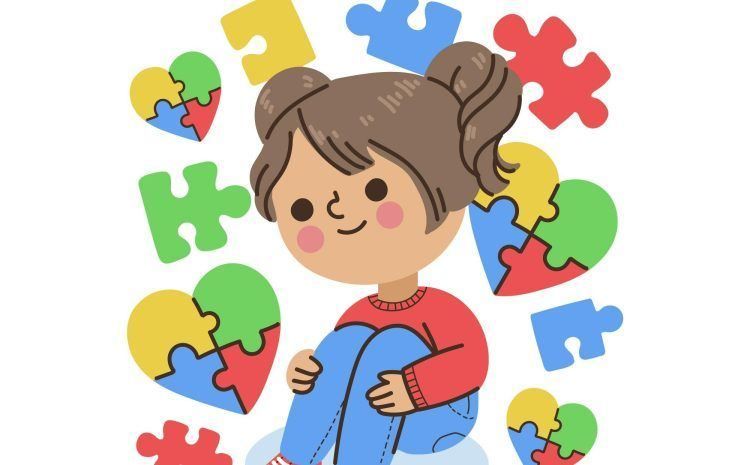
Every child is unique in how they learn, understand, and connect with the world. For children with Autism Spectrum Disorder (ASD), learning often requires more structure, patience, and understanding. In the context of Islamic education in particular, parents and teachers may face challenges when trying to help a child with autism learn the Qur’an, Salah, duas, and Islamic manners. But with a gentle and structured approach, Islamic learning for autistic children can be made entirely possible, helping them develop a deep love for Allah, His Messenger ﷺ, and Islamic values.
In this article, we’re exploring practical strategies for teaching Islam to children with autism in a way that is supportive, flexible, and engaging.
Autism is a neurodevelopmental condition that affects communication, social interaction, and sometimes learning styles. In Islamic learning, this can mean that:
Recognising these needs is the first step to creating a learning plan that works for them.
The Prophet Muhammad ﷺ said:
“Make things easy and do not make them difficult. Cheer the people up by conveying glad tidings to them and do not repulse them.” (Sahih al-Bukhari, Sahih Muslim)
This hadith can be directly applied to Islamic learning for autistic children, emphasising on gentle guidance, patience, and encouragement.
Why gentleness works:
Children with autism often thrive with predictable routines and clear structures. This can be applied to Islamic learning in the following ways:
Many children with autism respond well to visual aids and sensory-friendly learning.
Memorising the Qur’an can be challenging for children with autism, but with the right methods, it’s possible and rewarding.
Tips for Qur’an Learning:
Prayer can be challenging for children with autism due to its multi-step sequence. A visual, step-by-step approach can make it easier.
Step-by-Step Salah Teaching Tips:
Islamic manners (akhlaq) such as greeting others, sharing, and showing respect are just as important as Qur’an learning.
For children with autism:
Islamic learning for autistic children becomes easier when the whole family is involved:
This creates a safe and encouraging network for the child.
Technology and Islamic Learning for Children with Autism
Technology can be a powerful tool in making Islamic learning accessible.
Recommended tools:
When used wisely, technology helps reinforce lessons and provides multi-sensory learning experiences.
Parents and teachers should remember:
The Prophet ﷺ reminded us:
“Allah is Gentle and loves gentleness in all matters.” (Sahih al-Bukhari, Sahih Muslim)
By combining patience, gentleness, and structure, we can help children with autism grow in their love for Allah and their understanding of Islam.
Teaching Islam to children with autism requires understanding, flexibility, and compassion. By using structured routines, visual aids, sensory-friendly tools, and a gentle teaching style, parents and educators can make Islamic learning accessible and enjoyable.
At Sidr Productions, we believe every child—regardless of learning style—deserves the opportunity to connect with the Qur’an, Salah, and Islamic values in a way that respects their individuality. With the right approach, children with autism can thrive spiritually and grow into confident, practicing Muslims who carry Islam in their hearts for life.
Published 30 July 2025 in Learning technology. Questions? Get in touch.

In today’s digital age, screens are a central part of every child’s environment. Rather than avoiding them, Muslim…
Read more →
The global education landscape is rapidly evolving. From the early days of rote memorisation in classrooms to today’s…
Read more →
If you’re a Muslim parent or educator in 2025, you probably ask the same question every weekend: How do I make screen…
Read more →Thirty minutes, your student numbers, an honest answer about whether we are a fit. Onboarding, training and data migration are included — there is nothing to sign to find out.