
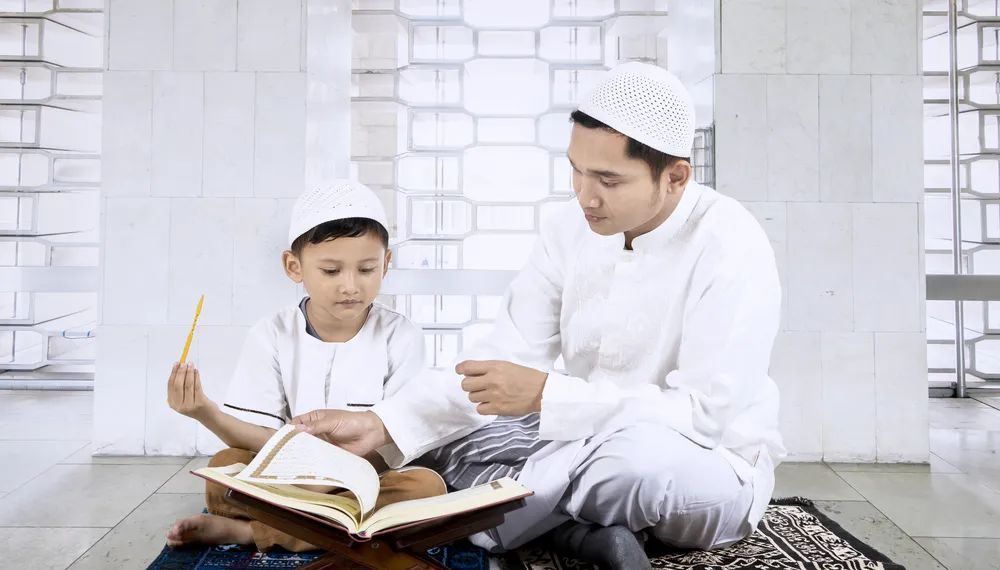
The Quran is not just a book, it is the foundation of faith, guidance, and spiritual development in a Muslim’s life. For children, forming a deep connection with the Quran early on can shape their values, habits, and character for a lifetime.
While teaching the Quran can sometimes feel like a daunting task for parents, the process can be simplified through consistent habits that make learning meaningful, engaging, and spiritually enriching.
A strong connection with the Quran is not just about memorization. It involves understanding its message, reflecting on its teachings, and developing a personal relationship with Allah through His words. Creating habits that encourage daily engagement, curiosity, and respect for the Quran sets children on a path toward lifelong devotion and love for the Divine guidance.
This article explores practical habits parents can adopt to help children build a strong connection with the Quran, with strategies suitable for different ages and learning styles.
The foundation of any habit is consistency. Introducing children to the Quran from an early age, even through simple exposure, establishes familiarity and comfort. Babies and toddlers may not yet understand the meaning, but hearing the recitation daily creates recognition, rhythm, and emotional attachment.
For slightly older children, short daily reading sessions, even for just a few minutes, can reinforce consistency. Regular exposure to the Quran helps children associate it with comfort, reflection, and routine. By making Quran reading a part of the daily schedule, such as after prayer or before bedtime, children learn to expect and value these moments.
Consistency also demonstrates the importance of the Quran in daily life. When children see that engaging with it is a priority, they internalize that this connection is a lifelong practice rather than an occasional activity.
Children learn more from observation than from instruction alone. Parents and caregivers who read, reflect, and show reverence for the Quran model behavior that children are likely to emulate.
If parents regularly engage with the Quran, recite its verses aloud, and demonstrate how its teachings guide decisions and character, children absorb both the practice and the significance of its wisdom. Sharing personal reflections about how a verse inspires kindness, patience, or gratitude can make the Quran relatable and alive in everyday life.
Modeling respect—such as handling the Quran carefully, performing wudu before reading, and speaking about its teachings with reverence—teaches children the value of the Quran through action, not just words.
The Quran can feel abstract to children if approached solely as memorization. Interactive learning helps them understand and internalize its teachings.
Parents can create activities such as:
These activities transform the Quran from text into a meaningful experience. Children are more likely to engage with verses they can relate to and understand rather than simply reciting them by rote.
Starting with short, simple verses allows children to experience success early, which builds confidence and motivation. It’s a great way to help children build a strong connection with the Quran. Verses that are easy to pronounce and understand provide a foundation for gradual progress.
Short verses can be reinforced with repetition, daily practice, and linking the meaning to practical examples. For instance, teaching the verse “Indeed, Allah is with the patient” can be paired with moments in everyday life where patience is demonstrated, helping children connect the words with lived experience.
Gradually, as children gain fluency and understanding, longer surahs and more complex verses can be introduced, building both memorization skills and comprehension.
Memorization is important, but understanding the Quran creates a deeper connection. Children who understand the meaning of the verses are more likely to reflect on them, internalize the guidance, and apply it to their behavior.
Parents can use age-appropriate explanations, translations, or simplified summaries to help children grasp the message behind the verses. For younger children, simple interpretations that relate to sharing, kindness, honesty, and gratitude work best. Older children can explore more nuanced themes, such as justice, mercy, and personal responsibility.
When children see how the Quran’s guidance applies to their own lives, it shifts from a task to a source of inspiration and personal growth.
Encouraging children to reflect on Quranic teachings fosters a personal and emotional connection. Reflection does not need to be formal or lengthy. Simple questions like, “How can we show kindness like this verse teaches?” or “What did we learn from this story today?” help children think critically and connect the text to daily actions.
Reflection also helps children develop spiritual mindfulness. They begin to see the Quran as a living guide rather than just a recitation, integrating its wisdom into their decision-making and interactions with others.
Tajweed, or proper pronunciation, is an important element of Quranic recitation, and can help children build a strong connection with the Quran. Teaching children correct recitation from an early age ensures respect for the text and prevents the formation of incorrect habits.
However, it’s important to balance accuracy with enjoyment. Overemphasis on perfection can discourage children. Gentle correction, repetition, and positive reinforcement help children feel confident and motivated to continue practicing.
Parents can recite together, listen to recordings, or join Quran classes that emphasize proper recitation in a supportive environment.
Integrating Quran learning with Salah (prayer) creates practical relevance. Children are more likely to value verses they hear or recite regularly in their prayers. Teaching children to understand the meaning of the verses recited in prayer, such as Surah Al-Fatihah, reinforces their significance.
This connection helps children see the Quran as part of worship rather than just a memorization exercise. It emphasizes the Quran’s role in guiding daily life and fostering a relationship with Allah.
Positive reinforcement motivates children to continue engaging with the Quran. Celebrating milestones, whether memorizing a short surah or understanding a verse’s meaning, encourages continued effort and enthusiasm.
Celebrations can be simple, such as verbal praise, certificates, or small rewards. Highlighting progress emphasizes growth rather than perfection and fosters a love for learning that is sustainable.
Modern tools can enhance Quran learning. Age-appropriate apps, audio recitations, and interactive platforms provide children with additional exposure and practice outside of structured lessons.
Listening to professional recitations helps with pronunciation, rhythm, and fluency. Interactive games and quizzes can reinforce memorization and comprehension in an engaging way. However, screen time should be balanced and guided to ensure meaningful learning rather than passive consumption.
Learning is more impactful when it is a shared experience. Parents, siblings, and extended family members can participate in Quran activities, recitation sessions, and discussion.
Family involvement creates a supportive environment and models lifelong engagement with the Quran. Children who see adults valuing and applying Quranic guidance are more likely to emulate these behaviors.
Children are more likely to connect with the Quran when they see its relevance in daily life. Point out examples of Quranic principles in real-life situations, such as helping others, showing honesty, or practicing patience.
For instance, when a child shares a toy or shows kindness, explain that these actions reflect the teachings of the Quran. Relating abstract guidance to tangible behavior strengthens both understanding and attachment.
Children naturally have curiosity, and encouraging questions about the Quran fosters engagement and deeper understanding. Answer questions thoughtfully and honestly, appropriate to the child’s age.
Questions such as “Why does Allah say this?” or “What does this verse mean for me?” can open meaningful discussions and help children reflect on the Quran’s lessons. Encouraging curiosity transforms learning into exploration rather than a task.
Children are more inspired by action than words. Demonstrating your own commitment to reading, reflecting, and living by the Quran’s teachings provides a powerful role model.
Discuss how the Quran guides your decisions, gives comfort during challenges, or inspires gratitude. Children observe and internalize these habits, learning that the Quran is a practical, living guide for life.
It is important to tailor Quran learning to a child’s developmental stage. Younger children respond to repetition, rhyme, and visual cues. Middle-aged children can handle short explanations and reflections. Teenagers are ready for deeper analysis, discussions on meaning, and connections to ethics and life decisions.
Progressive learning ensures that children are neither overwhelmed nor under-stimulated, fostering both comprehension and devotion over time.
Connecting Quran learning with character development reinforces both knowledge and moral growth. Encourage children to practice values taught in the Quran—honesty, compassion, patience, and gratitude—through daily actions.
When children experience the benefits of these principles firsthand, they develop a personal connection that is both intellectual and emotional. Quran learning becomes intertwined with their character, identity, and worldview.
Helping children build a strong connection with the Quran is a lifelong journey. The most effective approach combines consistency, modeling, reflection, understanding, and engagement. By creating daily habits that integrate recitation, discussion, reflection, and application, parents can nurture children who love, respect, and internalize the Quran’s guidance.
Teaching children the Quran is not simply about memorization; it is about creating a personal relationship with Allah through His words, helping them navigate life with wisdom, gratitude, and moral clarity. When children learn to see the Quran as relevant, beautiful, and alive, they carry its guidance into every aspect of their lives—laying the foundation for a spiritually rich and ethically grounded future.
Published 16 March 2026 in Qur’an & learning. Questions? Get in touch.

Teaching children about Allah is one of the most important aspects of Islamic education. Understanding who Allah is…
Read more →
Developing a love for Quran recitation in children is one of the most valuable gifts parents and educators can give.…
Read more →
Dua is one of the greatest gifts Allah has given to believers. It is a direct conversation with the Creator, a private…
Read more →Thirty minutes, your student numbers, an honest answer about whether we are a fit. Onboarding, training and data migration are included — there is nothing to sign to find out.