
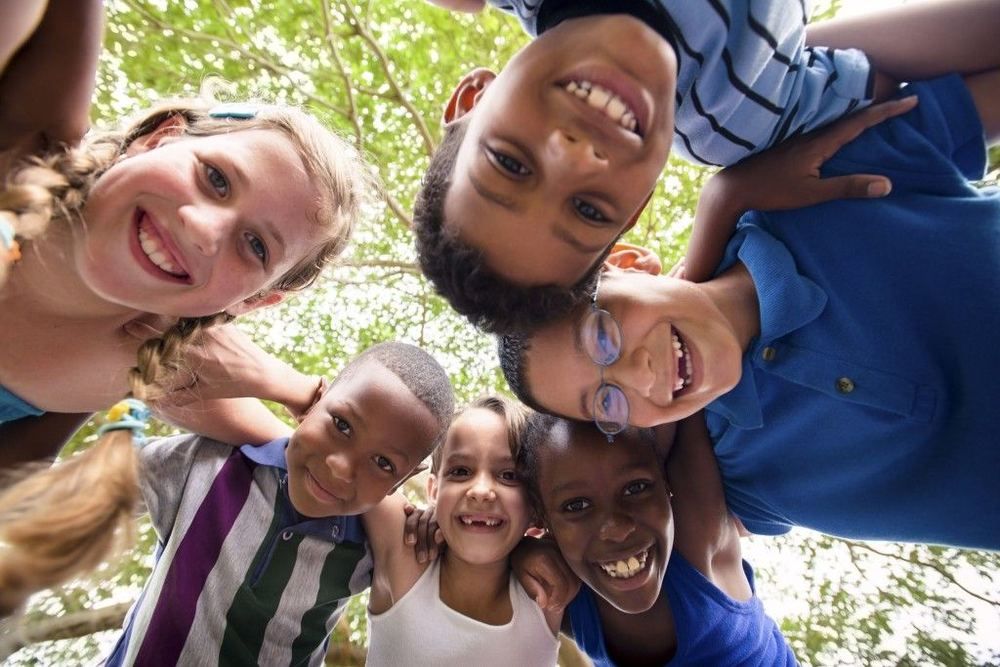
Every parent, at some point, watches their child interact with others and quietly wonders: Is this normal? Are they doing okay socially?
Maybe it happens at the playground when your child hesitates before joining a group. Or during a birthday party when they cling to you instead of diving into the games. Or, perhaps, at school pickup when you hear about a disagreement with a friend.
Social skills can feel mysterious. Unlike reading or maths, there are no clear worksheets or report cards that neatly measure them. Yet social development plays a massive role in a child’s confidence, relationships, emotional health, and future success.
The good news is that healthy social skills don’t look like constant outgoing behaviour. They don’t require popularity, loudness, or endless friendships. Instead, they show up in subtle but powerful ways: empathy, cooperation, communication, self-regulation, and resilience.
In this article, we’ll explore the signs your child is developing healthy social skills, what social development actually means at different ages, and how you can gently support growth without pressure.
Before diving into the signs, it helps to redefine what we mean by “healthy social skills.”
Healthy social development is not about being the most talkative child in the room. It is not about having dozens of friends or never experiencing conflict. It is not about perfect manners at all times.
Healthy social skills mean your child is gradually learning how to:
These skills develop slowly over time. They are shaped by temperament, environment, modelling, and experience.
Social growth is a process, not a performance.
One of the strongest indicators of healthy social development is empathy.
Empathy looks like:
Empathy does not require dramatic gestures. Even small signs, like pausing when another child cries, show emotional awareness.
Young children may express empathy physically, through hugs or proximity. Older children might use specific words to relay empathy or display a certain set of problem-solving skills.
If your child occasionally demonstrates concern for others, that is a powerful social milestone in itself.
Empathy is the foundation of healthy relationships.
Sharing and turn-taking do not come naturally to young children. These are learned behaviours that require impulse control and emotional regulation.
Signs of growth include:
You may still see resistance or disappointment. That is normal. What matters is progress over time.
If your child can occasionally pause and allow someone else a turn, even after initial protest, they are developing social flexibility.
Cooperation grows gradually.
Social skills are deeply connected to emotional regulation.
A child who says, “I’m mad”, instead of hitting is making major progress. A child who says, “I didn’t like that”, instead of withdrawing completely is building communication skills.
You might hear phrases like:
These are powerful signs of healthy social development.
Even if the underlying tone is imperfect, the ability to use language instead of aggression is a significant step in the right direction.
Words replace impulse over time.
Conflict is inevitable in childhood. What matters is how children respond.
Among the signs your child is developing healthy social skills include:
Problem-solving may be clumsy at first. A child might say, “You can play after me”, or “Let’s do it together.”
These moments demonstrate cognitive and emotional growth.
Conflict resolution is learned through practice.
Parallel play is normal in toddlers. But as children grow, cooperative play becomes more common.
Cooperative play includes:
This requires communication, flexibility, and attention to others’ ideas.
If your child can engage in shared activities, even briefly, they are strengthening social awareness.
Collaboration reflects developmental progress.
Every child experiences social setbacks. A friend says ‘no’. A group excludes them. A game doesn’t go their way.
Healthy development shows in recovery.
Your child might:
Resilience is not about avoiding hurt. It is about moving forward after going through the experience.
Recovery skills matter more than avoiding rejection.
Understanding boundaries is a major social milestone.
This might look like:
Children learn these through modelling and repetition.
If your child can sometimes recognise when behaviour is inappropriate and adjust, that is meaningful growth.
Social awareness strengthens with guidance.
Conversation skills develop gradually.
Healthy signs include:
Some children are naturally more verbal. Others are quieter but still socially competent.
Conversation ability is not about volume. It is about engagement.
Listening is as important as speaking.
Children with healthy social development show curiosity about peers.
They may:
Even shy children often demonstrate this interest privately.
Desire for connection signals social motivation.
Friendships are learned over time.
Not every disagreement needs adult intervention.
If your child can occasionally resolve small disputes independently, that is among the strongest signs your child is developing healthy social skills.
You might overhear:
These interactions reflect negotiation and flexibility.
Independent resolution builds confidence.
It is important to remember that social milestones vary by age.
Comparing a five-year-old to a ten-year-old socially is unrealistic, isn’t it?
Development follows individual timelines.
Patience supports progress.
Shyness is not a social deficit.
Some children are naturally more observant and slow to warm up. Healthy social development can exist alongside introversion.
Look for:
Confidence does not always look loud.
Quiet children can be socially skilled.
While variation is normal, there are times to seek support.
Potential red flags include:
If concerns persist across environments, discussing with teachers or professionals may help.
Early support strengthens development.
Social skills are built through modelling.
Children learn how to interact by watching you.
Demonstrate:
You are their primary social teacher.
Daily interactions matter.
Structured activities like sports, clubs, or playdates provide opportunities for practice.
However, forcing social exposure beyond a child’s comfort zone can backfire.
Encourage gradual participation.
Celebrate effort rather than outcome.
Confidence grows through positive experiences.
Children with broader emotional language navigate social situations more effectively.
Discuss feelings openly. Label emotions in stories. Reflect after conflicts.
When children can name feelings, they can manage them.
Language builds regulation.
It is tempting to intervene immediately during peer conflict.
However, stepping back when safe allows children to develop independence.
Observe before acting.
Support without taking over.
Growth often happens in small struggles.
Healthy social development does not look perfect. It looks gradual. It looks imperfect. It includes mistakes, tears, misunderstandings, and recovery.
If your child shows empathy sometimes, communicates feelings occasionally, attempts problem-solving, and demonstrates interest in connection, they are likely developing strong social foundations.
Remember that social skills are learned over years, not weeks.
Your calm presence, modelling, and encouragement create the environment where those skills flourish.
Children do not need flawless social interactions. They need opportunities to practise, fail safely, and try again.
And if you look closely, you may already see some of the signs your child is developing healthy social skills sooner than you think.
Published 2 March 2026 in Parenting. Questions? Get in touch.
If you are a parent, chances are you have lived through at least one homework battle.
Read more →
Every parent wants their child to grow up believing, deep down: “I can handle this.”
Read more →
If you are raising a child in this day and age, screens are not optional. They are everywhere, intertwined with our…
Read more →Thirty minutes, your student numbers, an honest answer about whether we are a fit. Onboarding, training and data migration are included — there is nothing to sign to find out.