
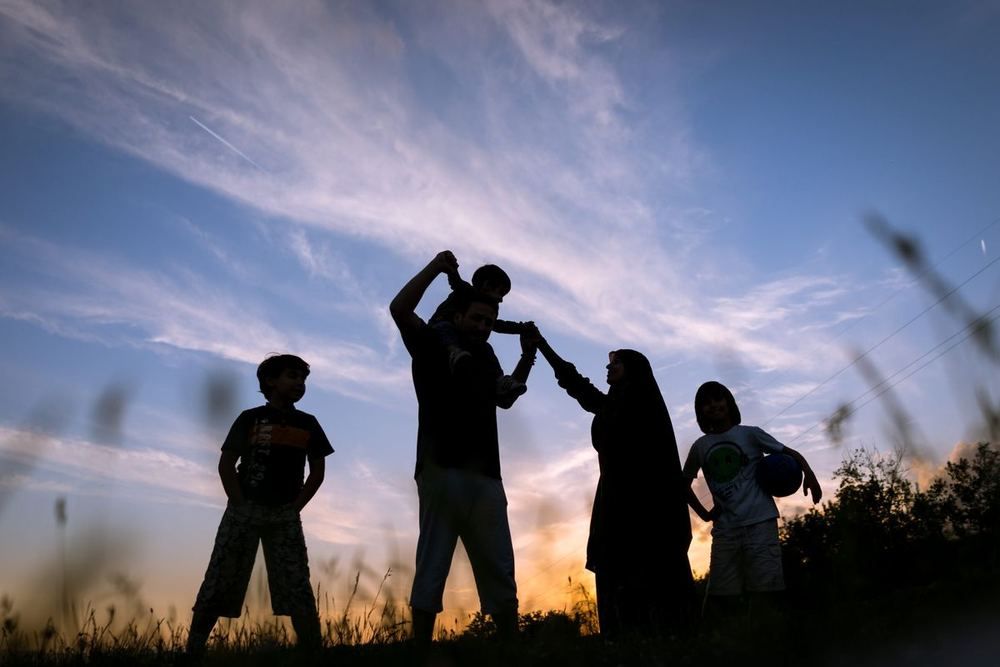
The life of Prophet Muhammad (SAW) serves as a timeless guide for all aspects of human behavior, including parenting and nurturing children. His unparalleled love, compassion, and respect for children were evident in his daily interactions with them. As a leader of a rapidly growing community and a messenger of Allah, the Prophet (SAW) had immense responsibilities, yet he always made time for children, treating them with kindness, patience, and affection.
In today’s fast-paced world, where many parents struggle to balance work, responsibilities, and family life, the Prophet’s example provides valuable lessons on how to raise children with love, respect, and Islamic values. By examining how the Prophet Muhammad (SAW) interacted with children, modern parents can learn essential principles of positive parenting, emotional intelligence, and spiritual guidance.
We as Sidr Productions, are committed to helping parents instill these values in their children through digital content creation, educational tools, videos and animations, and interactive platforms like My Quran Journey and Kids Read. These tools aim to make Islamic teachings accessible, engaging, and relevant for children and families.
In this article, we will explore the Prophet Muhammad’s (SAW) love for children and highlight key lessons for parents to incorporate into their parenting journey.
Prophet Muhammad (SAW) was known for his gentle and loving nature, particularly when interacting with children. He treated them with great respect, never dismissing their feelings or belittling their presence. His actions were a reflection of his profound empathy and understanding of a child’s emotional needs.
The Prophet (SAW) frequently expressed his love for children through physical affection. He would hug, kiss, and carry them, demonstrating that showing love openly is a sign of strength and care.
Hadith Example:
“The Messenger of Allah (SAW) kissed Al-Hasan ibn ‘Ali (his grandson) while Al-Aqra ibn Habis was sitting nearby. Al-Aqra said, ‘I have ten children and I have never kissed any of them.’ The Messenger of Allah looked at him and said, ‘Whoever does not show mercy will not be shown mercy.’” (Sahih al-Bukhari)
Lesson for Parents:
Don’t hesitate to express love through hugs, kisses, and gentle words. Physical affection fosters emotional security and strengthens the parent-child bond.
The Prophet (SAW) would listen attentively when children spoke, validating their feelings and treating them as important members of the community. He never dismissed their concerns or treated them as insignificant.
Example:
The Prophet (SAW) once consoled a young boy named Abu Umayr whose pet bird had died. He noticed the boy’s sadness and playfully asked him, “O Abu Umayr, what happened to the little bird?” (Sahih al-Bukhari). This simple interaction showed how the Prophet (SAW) empathized with the boy’s feelings, even over something seemingly small.
Lesson for Parents:
Active listening is key to building trust with children. Give them your full attention, acknowledge their feelings, and make them feel heard and valued.
Prophet Muhammad (SAW) displayed incredible patience with children, understanding that they are naturally playful and curious. He never scolded them harshly or lost his temper, even in challenging situations.
The Prophet (SAW) understood that children might not behave perfectly, even in formal settings like prayer. He never reprimanded them harshly but instead accommodated their needs.
Example:
The Prophet (SAW) would often pray while carrying his granddaughter Umamah. When he bowed, he would gently place her down, and when he stood up, he would pick her up again. (Sahih al-Bukhari)
In another instance, during a congregational prayer, the Prophet (SAW) shortened the prayer when he heard a child crying, out of compassion for the mother who might be distressed. (Sahih al-Bukhari)
Lesson for Parents:
Be patient with your children’s natural behavior. Understand that mistakes and playfulness are part of their growth, and respond with kindness and understanding.
When children made mistakes, the Prophet (SAW) corrected them gently without causing embarrassment or shame.
Example:
The Prophet (SAW) once noticed a young boy eating with his left hand and not saying Bismillah. Instead of scolding him, the Prophet (SAW) gently said, “O young boy, say Bismillah, eat with your right hand, and eat from what is in front of you.” (Sahih Muslim)
Lesson for Parents:
When correcting your children, use gentle guidance instead of harsh criticism. Focus on teaching rather than punishing, and ensure that corrections are made privately to preserve their dignity.
The Prophet Muhammad (SAW) believed in empowering children and giving them responsibilities appropriate to their abilities. He nurtured their confidence by involving them in important matters and recognizing their contributions.
Many of the Sahaba who were entrusted with significant responsibilities were young. The Prophet (SAW) believed in the potential of youth and empowered them to take on leadership roles.
Example:
Lesson for Parents:
Give your children age-appropriate responsibilities to build their confidence and sense of independence. Trust them to take on tasks, and celebrate their achievements, no matter how small.
The Prophet (SAW) regularly praised children to boost their self-esteem and motivate them to do good.
Example:
The Prophet (SAW) once said about Abdullah ibn Umar (RA), “What an excellent man Abdullah would be if he prayed during the night.” (Sahih al-Bukhari) This subtle encouragement led Abdullah to consistently perform Tahajjud (voluntary night prayer) for the rest of his life.
Lesson for Parents:
Use positive reinforcement to encourage good behavior. Praise your children sincerely for their efforts, which helps nurture a growth mindset and a love for doing good deeds.
The Prophet Muhammad (SAW) taught children Islamic values through his actions rather than just words. He led by example, demonstrating how to live a life of compassion, honesty, and devotion to Allah.
The Prophet (SAW) often used stories and parables to teach moral lessons, making complex concepts easy to understand for people of all ages.
Example:
The story of the boy and the three men in the cave teaches lessons about sincerity and trust in Allah. The Prophet’s storytelling captivated listeners and helped them internalize Islamic values.
At Sidr Productions, we use storytelling in projects like My Quran Journey and Kids Read to make learning about Islam engaging and memorable for children.
Lesson for Parents:
Incorporate stories from the Quran and Sunnah into your parenting. Use books, digital tools, and interactive apps to make these stories come alive and teach valuable lessons.
The Prophet (SAW) practiced what he preached. His behavior was a living example of the values he taught, making it easy for those around him to follow his lead.
Example:
The Prophet’s honesty, humility, and kindness were evident in his interactions with everyone, from his closest companions to strangers and children.
Lesson for Parents:
Children learn more from what they see than what they are told. Be a role model by practicing the values you wish to instill in your children—whether it’s praying on time, being honest, or showing kindness to others.
While the Prophet Muhammad (SAW) was gentle and loving, he also instilled a sense of discipline and responsibility in children. However, this discipline was always balanced with mercy and understanding.
The Prophet (SAW) set clear boundaries and expectations but always approached discipline with compassion and fairness.
Example:
When children made mistakes, the Prophet (SAW) corrected them without anger or harshness. His goal was to guide, not to punish.
Lesson for Parents:
Establish clear rules and expectations, but enforce them with patience and empathy. Understand that mistakes are opportunities for learning, not occasions for punishment.
The Prophet (SAW) taught that everyone makes mistakes, but what matters is repentance and growth.
Example:
When a young man came to the Prophet (SAW) asking for permission to commit zina (fornication), the Prophet (SAW) responded with calmness and understanding. He asked the young man how he would feel if someone did that to his mother, sister, or daughter, leading the young man to realize the gravity of his request. The Prophet (SAW) then placed his hand on the young man’s chest and prayed for him. (Musnad Ahmad)
Lesson for Parents:
Teach your children that making mistakes is part of life, but they should always seek forgiveness from Allah and strive to improve.
The Prophet Muhammad’s (SAW) love for children offers invaluable lessons for parents today. His compassion, patience, and ability to balance discipline with mercy provide a holistic approach to parenting rooted in Islamic values.
By following the Prophet’s example, parents can create an environment where children feel loved, respected, and guided in their spiritual and moral development. Using modern tools like My Quran Journey, Kids Read, and Deen Quest, parents can make Islamic learning engaging, interactive, and relevant for the next generation.
Incorporate the Prophet’s teachings into your daily parenting, and watch as your children grow into confident, compassionate, and faithful Muslims, ready to make a positive impact in the world.
Published 15 October 2024 in Stories & occasions. Questions? Get in touch.
Eid is a time of joy, gratitude, and community for Muslims around the world. Whether it’s Eid al-Fitr, which marks the…
Read more →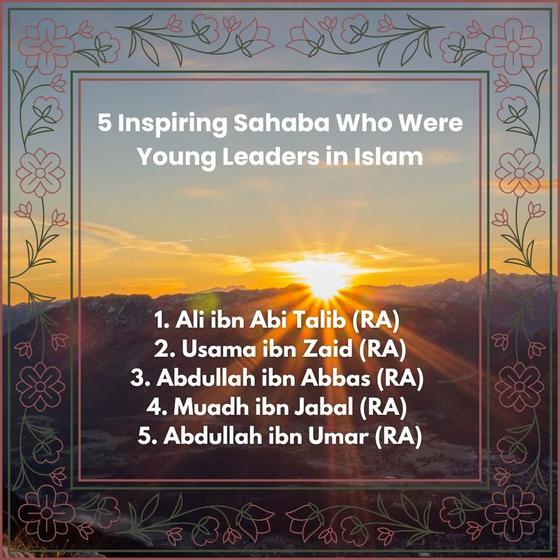
Islamic history is filled with remarkable figures who played pivotal roles in spreading the message of Islam and…
Read more →
Surah Al-Kahf is one of the most beloved chapters of the Quran, rich with lessons about faith, patience, and the trials…
Read more →Thirty minutes, your student numbers, an honest answer about whether we are a fit. Onboarding, training and data migration are included — there is nothing to sign to find out.