
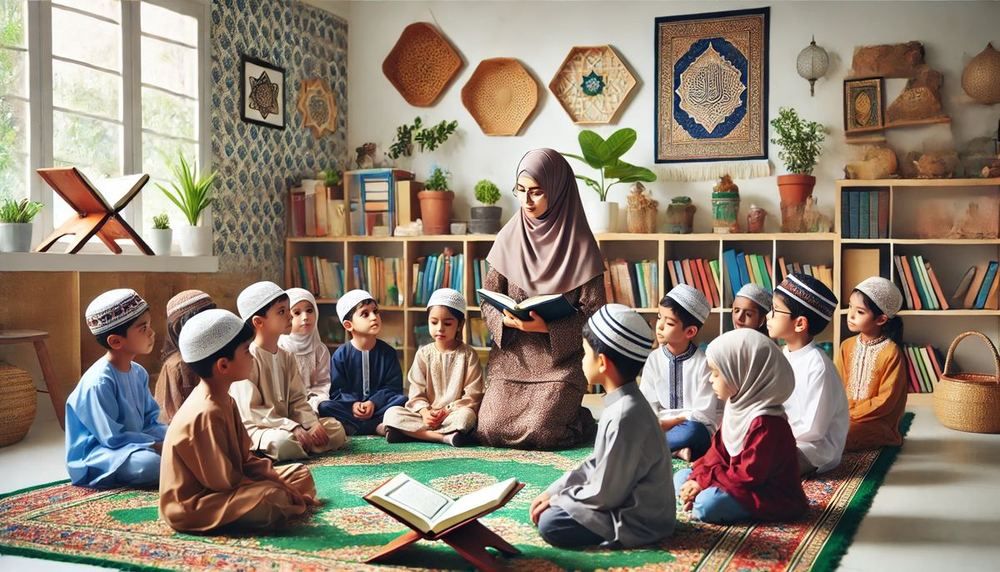
Teaching children daily duas (supplications) and helping them understand their meanings is one of the most powerful ways to foster their spiritual development and guide them toward a life rooted in Islamic values. Duas are more than just memorized phrases; they are heartfelt conversations with Allah, providing comfort, gratitude, and a sense of connection to the Creator. When children learn these duas with understanding, they internalize the values of gratitude, patience, reliance on Allah, and mindfulness in daily life.
At Sidr Productions, our mission is to revolutionize Islamic education by creating engaging, innovative, and accessible learning experiences for children. Through digital content creation, videos and animations, educational tools development, and gaming platforms designed for Muslim audiences, we make the process of learning duas both fun and meaningful. Our projects like My Quran Journey App, Kids Read, My School Journey, and our YouTube series are designed to bring Islamic teachings to life in ways that resonate with young learners. In this blog, we’ll explore why teaching kids daily duas and their meanings is essential, and how parents and educators can leverage Sidr Productions’ resources to make this practice part of children’s everyday lives.
Duas are a vital part of a Muslim’s life. They are not only a means of asking Allah for help but also a way of expressing gratitude, seeking forgiveness, and maintaining constant remembrance of Allah. For children, learning daily duas can have a profound impact on their spiritual, emotional, and moral growth.
Introducing children to duas helps them develop a personal relationship with Allah from an early age. It teaches them that they can turn to their Creator in moments of joy, fear, sadness, and gratitude. This connection provides a sense of security and belonging, which is essential for emotional well-being.
Example:
Teaching children the dua before sleeping, “بِاسْمِكَ اللَّهُمَّ أَحْيَا وَبِاسْمِكَ أَمُوتُ” (In Your name, O Allah, I live and die), helps them feel safe and protected as they drift off to sleep, knowing that Allah is watching over them.
Many daily duas contain lessons about kindness, humility, honesty, and gratitude. When children understand the meanings behind these supplications, they are more likely to embody these values in their daily lives.
Example:
The dua before eating, “اللَّهُمَّ بَارِكْ لَنَا فِيمَا رَزَقْتَنَا وَقِنَا عَذَابَ النَّارِ” (O Allah, bless the food You have provided us and save us from the punishment of the Fire), teaches children to be grateful for their sustenance and mindful of those who may not have enough.
Our Halal Food Identifier app not only helps children and families make informed dietary choices but also ties back to the importance of gratitude for halal sustenance.
Memorization is an important aspect of Islamic education, but understanding is what truly brings meaning to the practice. When children comprehend the significance behind the words they recite, their engagement with duas becomes deeper and more heartfelt.
Understanding duas helps children navigate their emotions and develop resilience. For example, learning the dua for anxiety, “اللَّهُمَّ إِنِّي أَعُوذُ بِكَ مِنَ الْهَمِّ وَالْحَزَنِ” (O Allah, I seek refuge in You from anxiety and sorrow), teaches children that it’s okay to feel worried or sad, but they can always seek Allah’s help for comfort.
Our YouTube series, What the Prophet Muhammad (SAW) Taught Me, features episodes that explain the emotional and spiritual benefits of specific duas, using engaging narratives that resonate with children.
When children understand that every action, from waking up to going to bed, can be accompanied by a dua, they become more mindful of Allah’s presence in their lives. This mindfulness fosters gratitude, patience, and a sense of responsibility in their actions.
Example:
The dua upon waking up, “الْحَمْدُ لِلَّهِ الَّذِي أَحْيَانَا بَعْدَ مَا أَمَاتَنَا وَإِلَيْهِ النُّشُورُ” (All praise is for Allah who gave us life after causing us to die, and to Him is the return), reminds children to start their day with gratitude for the gift of life.
Teaching children duas doesn’t have to be limited to traditional methods of memorization. By incorporating creativity, technology, and interactive learning, parents and educators can make the process enjoyable and effective.
Children love stories, and storytelling is a powerful way to teach them duas and their meanings. By creating narratives around the context of each dua, children can understand when and why the dua is recited.
Example:
An animated story about a child feeling scared during a thunderstorm can introduce the dua for protection, “بِسْمِ اللَّهِ الَّذِي لَا يَضُرُّ مَعَ اسْمِهِ شَيْءٌ” (In the name of Allah, with whose name nothing can cause harm).
At Sidr Productions, our videos and animations bring these stories to life, making duas relatable and memorable for young learners.
Gamifying the process of learning duas can motivate children to engage more actively. Interactive apps with quizzes, challenges, and rewards make memorization fun while reinforcing understanding.
Features of Gamified Learning:
Incorporating role-play into dua learning helps children understand how supplications apply in real-life situations. By acting out scenarios, children can practice when and how to use specific duas.
Example:
Pretend play where a child is about to take an exam can introduce the dua for success, “رَبِّ زِدْنِي عِلْمًا” (O my Lord, increase me in knowledge).
Our Kids Read platform includes role-playing activities and interactive stories that teach kids how to apply these duas in their daily lives.
Integrating duas into daily routines helps children see them as a natural part of life rather than a chore. Consistency and repetition are key to building habits that last a lifetime.
Starting and ending the day with supplications fosters a sense of gratitude and mindfulness.
Teaching children to recite duas before and after eating fosters gratitude and mindfulness about the blessings of food.
Parents and educators play a crucial role in teaching children duas and helping them understand their significance. By modeling consistent dua practice and creating a supportive learning environment, adults can inspire children to embrace this spiritual habit.
Children often imitate the behaviors of their parents and teachers. When they see adults regularly reciting duas and turning to Allah in different situations, they are more likely to adopt the same practices.
A positive learning environment that encourages questions and exploration makes children feel comfortable and motivated to learn.
Tips for Parents and Educators:
Our educational tools development focuses on providing resources that parents and teachers can use to create supportive, engaging learning environments.
Teaching children daily duas and their meanings is a lifelong gift that nurtures their spiritual growth, moral values, and emotional resilience. Through creative methods, interactive technology, and consistent practice, parents and educators can make dua learning an enriching experience for children.
At Sidr Productions, we are committed to transforming Islamic education with innovative digital content, interactive platforms, games, and animations that make learning duas exciting and accessible. Our projects My Quran Journey App and YouTube series are designed to help children build a strong, lasting connection with their faith.
Begin this journey with your child today and watch as they grow into confident, mindful individuals, deeply connected to their Creator through the beautiful practice of daily duas.
Published 20 September 2024 in Qur’an & learning. Questions? Get in touch.
Introducing the Quran to young children is a profound and rewarding journey that lays the foundation for their…
Read more →
Memorizing the Quran is one of the most honored and spiritually rewarding pursuits in Islam. The title of Hafidh (one…
Read more →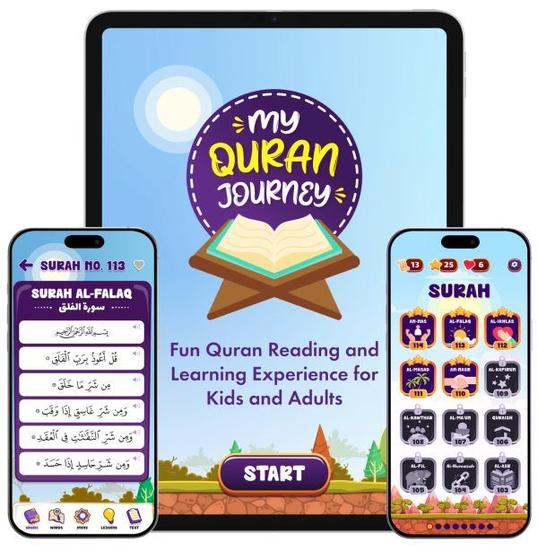
Learning the Quran is one of the most cherished and important aspects of a Muslim’s life. From understanding the…
Read more →Thirty minutes, your student numbers, an honest answer about whether we are a fit. Onboarding, training and data migration are included — there is nothing to sign to find out.