
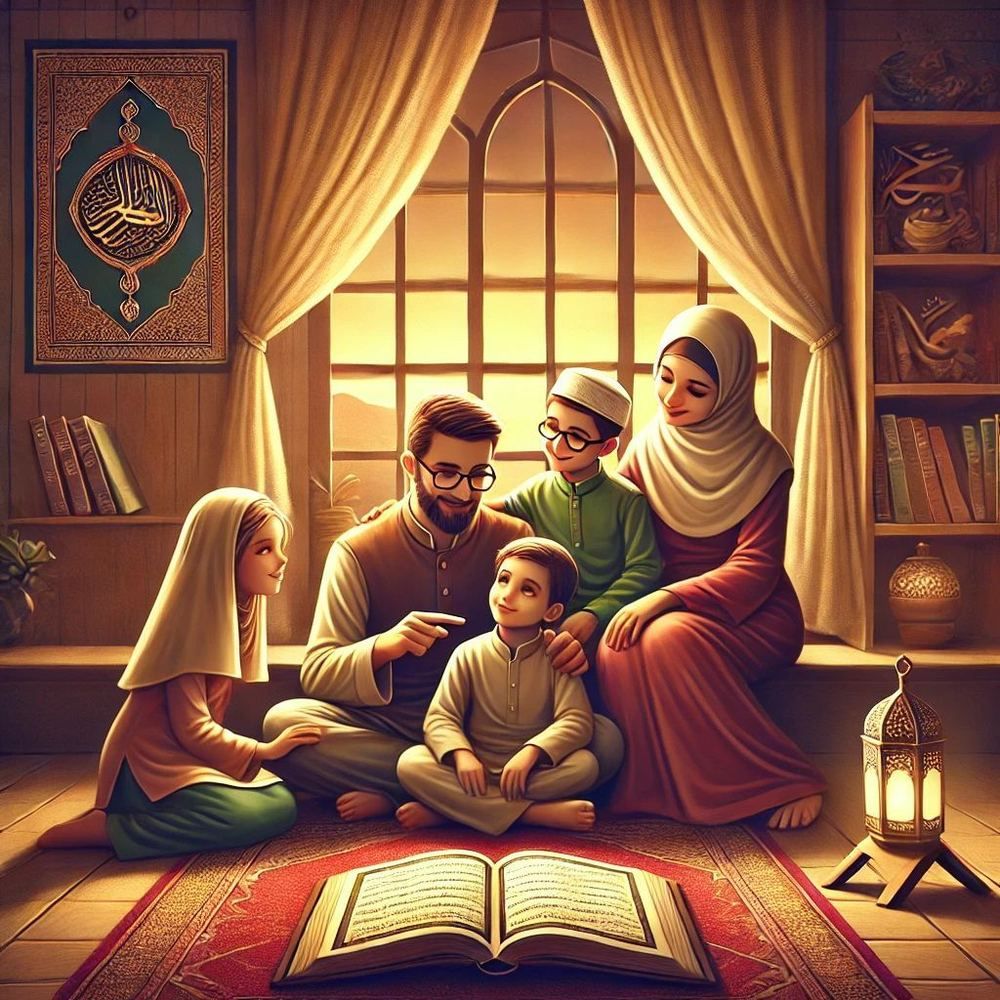
Raising children with strong Islamic values is one of the greatest responsibilities entrusted to parents. Instilling good habits from an early age lays the foundation for a lifetime of faith, character, and personal growth. Islam emphasizes the importance of nurturing children’s minds and hearts, guiding them towards righteous behavior while fostering their connection with Allah (SWT).
In today’s fast-paced world, where children are exposed to various influences, developing good Islamic habits early on helps them navigate life with purpose, discipline, and spiritual grounding. At Sidr Productions, we recognize the importance of shaping young minds through digital content, interactive learning tools, and educational platforms that align with Islamic principles. Platforms like My Quran Journey, Kids Read, and Deen Quest offer fun, engaging ways to integrate Islamic teachings into children’s everyday routines.
In this blog, we will explore practical strategies on how to develop good Islamic habits in kids from an early age, combining traditional methods with modern tools to create a balanced approach to Islamic lifestyle and personal development.
The Prophet Muhammad (SAW) said, “Every child is born upon the fitrah (natural disposition), but his parents make him a Jew, a Christian, or a Magian.” (Sahih al-Bukhari)
This hadith emphasizes the role of parents in shaping their child’s spiritual and moral development. Early childhood is a critical period when habits and behaviors are easily formed and deeply ingrained. The habits children develop during these formative years often stay with them into adulthood, influencing their choices, character, and relationship with Allah.
Developing Islamic habits goes beyond rituals; it involves nurturing a holistic lifestyle rooted in faith, ethics, and personal growth. Here are essential Islamic habits to cultivate in children from an early age:
Salah is the cornerstone of Islamic life. Teaching children to pray from a young age helps them develop a deep, personal connection with Allah.
How to Instill This Habit:
Prophetic Guidance:
The Prophet (SAW) said, “Instruct your children to pray when they are seven years old, and discipline them about it when they are ten years old.” (Sunan Abi Dawood)
Encouraging children to remember Allah throughout the day fosters spiritual mindfulness and gratitude.
How to Instill This Habit:
Complementary Tool:
In Kids Read, children can learn stories that include daily duas and dhikr, helping them understand the importance of remembering Allah in every action.
Teaching children to be grateful for Allah’s blessings fosters a positive mindset and helps them appreciate the world around them.
How to Instill This Habit:
Quranic Reference:
“If you are grateful, I will surely increase your favor; but if you deny, indeed, My punishment is severe.” (Surah Ibrahim 14:7)
Islam places great emphasis on kindness and charity. Teaching children to help others nurtures empathy and a sense of responsibility toward the community.
How to Instill This Habit:
Complementary Tool:
Through Deen Quest, children can engage in virtual quests that teach the value of sadaqah and helping others in fun and interactive ways.
The Quran is the ultimate source of guidance. Introducing children to the Quran early fosters a love for learning and understanding their faith.
How to Instill This Habit:
Prophetic Guidance:
“The best of you are those who learn the Quran and teach it.” (Sahih al-Bukhari)
While teaching children about Islam is essential, the way habits are formed plays a significant role in ensuring they become part of daily life. Here are practical strategies to help parents cultivate good Islamic habits in their children:
Children are natural imitators. They learn more from what they see than what they are taught. Your actions will leave a lasting impression on your child’s behavior and choices.
How to Apply:
Islamic education should be fun, interactive, and relatable. Children learn best when they are engaged and excited about the material.
How to Apply:
Habits are formed through consistency and routine. Integrate Islamic practices into your child’s daily life to make them second nature.
How to Apply:
Celebrate your child’s efforts in practicing Islamic habits. Positive reinforcement motivates children to continue doing good deeds.
How to Apply:
The home environment plays a significant role in shaping a child’s habits. Surround your children with Islamic reminders and resources.
How to Apply:
At Sidr Productions, we believe in leveraging modern technology to make Islamic learning accessible, fun, and engaging for children. Our digital platforms are designed to help parents and educators nurture good habits in children through interactive and educational content.
This app makes Quran learning an exciting adventure for kids. It offers interactive stories, recitations, and games that help children develop a love for the Quran while learning important Islamic values.
Features:
Kids Read is a digital library filled with Islamic stories and educational content that promotes literacy and moral development.
Features:
Deen Quest combines gaming with Islamic education, allowing children to embark on quests that teach Islamic history, morals, and values.
Features:
Developing good Islamic habits in children from an early age is crucial for shaping their character, faith, and personal development. By incorporating daily Islamic practices into their routines, children grow up with a strong sense of identity and purpose rooted in their faith.
At Sidr Productions, we are dedicated to supporting parents and educators in this journey through interactive content, educational tools, and digital platforms like My Quran Journey, Kids Read, and Deen Quest. By combining traditional teaching methods with modern technology, we aim to make Islamic learning fun, engaging, and impactful for children.
Encourage your children to embrace these good habits, and watch as they grow into confident, compassionate, and faith-driven individuals who carry the light of Islamic values into every aspect of their lives.
Published 9 December 2024 in Parenting. Questions? Get in touch.
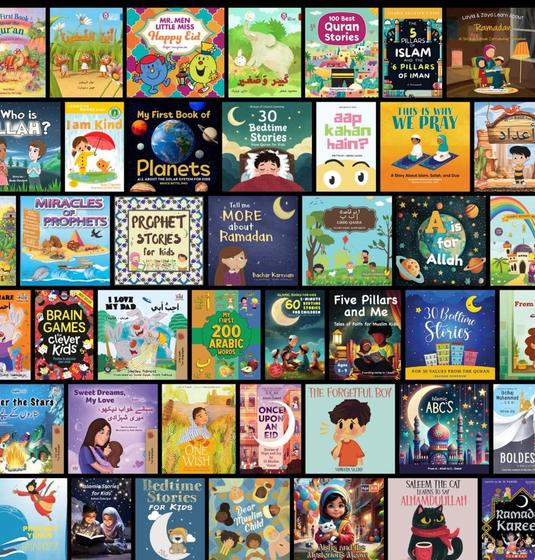
Introducing children to Islamic teachings through engaging stories and beautifully illustrated books is one of the most…
Read more →
In today’s digital age, technology is deeply woven into the fabric of our daily lives. From smartphones and tablets to…
Read more →
Life is full of ups and downs. We all face moments of joy and times of hardship, but what sets us apart is how we…
Read more →Thirty minutes, your student numbers, an honest answer about whether we are a fit. Onboarding, training and data migration are included — there is nothing to sign to find out.