
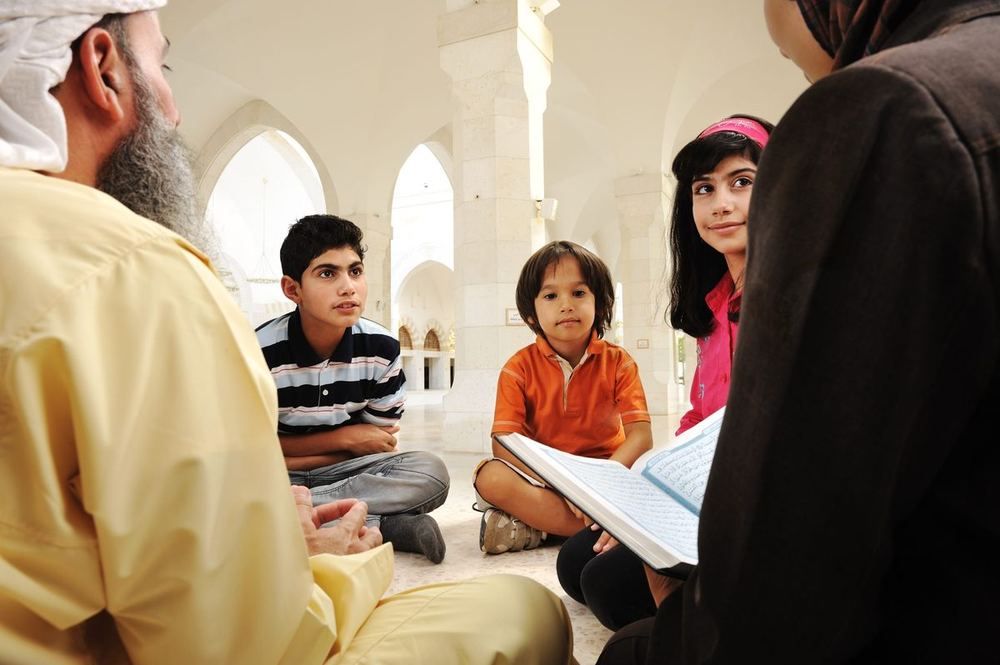
In today’s fast-paced and often stressful world, emotional well-being has become a key focus for people seeking balance, peace, and fulfillment in their lives. While modern psychology offers numerous strategies for achieving mental health and emotional balance, the teachings of Islam have long provided a comprehensive framework for nurturing emotional and spiritual well-being. From the Quran to the Sunnah of Prophet Muhammad (SAW), Islam offers timeless guidance on how to cultivate inner peace, resilience, and emotional strength.
Islamic teachings address the full spectrum of human emotions—joy, sorrow, fear, anger, and love—offering practical advice and spiritual tools to manage these feelings in a balanced and healthy way. At Sidr Productions, we are committed to helping families and young minds connect with these teachings through interactive platforms like My Quran Journey, Kids Read, and Deen Quest, making the principles of emotional well-being accessible and engaging for all ages.
In this blog, we will explore how Islamic teachings promote emotional well-being, providing both spiritual insights and practical tools for achieving emotional balance and mental health.
Islam views human beings as a harmonious integration of body, mind, and soul. To achieve true well-being, all three aspects must be nurtured. Emotional health is not treated separately from spiritual or physical health; instead, they are deeply interconnected.
Islam teaches that a strong spiritual connection with Allah (SWT) fosters inner peace and emotional stability. When we align our lives with the guidance of the Quran and Sunnah, we experience a sense of purpose, contentment, and clarity that supports our emotional well-being.
Quranic Reference:
“Indeed, in the remembrance of Allah do hearts find rest.”
(Surah Ar-Ra’d 13:28)
This verse highlights the direct link between remembrance of Allah (Dhikr) and emotional peace. When we remember Allah, we feel anchored and grounded, even in times of stress or uncertainty.
Islam provides practical tools and spiritual insights to help manage emotions in a healthy and constructive way. Let’s explore some of the most impactful teachings.
Salah is not just a ritual act of worship; it is a powerful tool for emotional regulation and mental clarity. The daily prayers serve as regular intervals of reflection, gratitude, and connection with Allah, offering a break from the stresses of everyday life.
How Salah Promotes Emotional Well-Being:
Quranic Reference:
“Establish prayer to remember Me.”
(Surah Taha 20:14)
Prayer acts as a reminder of Allah’s presence and support, providing comfort during times of emotional distress.
Dhikr, or the remembrance of Allah through phrases like “SubhanAllah” (Glory be to Allah), “Alhamdulillah” (All praise is due to Allah), and “Allahu Akbar” (Allah is the Greatest), is a simple yet powerful way to calm the mind and heart.
How Dhikr Promotes Emotional Well-Being:
Prophetic Guidance:
The Prophet Muhammad (SAW) said, “The comparison of the one who remembers Allah and the one who does not is like the living and the dead.”
(Sahih al-Bukhari)
This hadith illustrates how Dhikr breathes life into the soul and nurtures emotional well-being.
Sabr (patience) is one of the most emphasized virtues in Islam and plays a critical role in managing emotions, especially during challenging times. It teaches us to face adversity with grace, trust in Allah, and emotional control.
How Sabr Promotes Emotional Well-Being:
Quranic Reference:
“Indeed, Allah is with the patient.”
(Surah Al-Baqarah 2:153)
Knowing that Allah is with us during difficult times provides immense comfort and emotional strength.
Gratitude is a central theme in Islam. Recognizing and appreciating Allah’s blessings not only strengthens faith but also has a profound impact on emotional health. Modern psychology supports this, showing that practicing gratitude can significantly improve mood and reduce symptoms of depression and anxiety.
How Gratitude Promotes Emotional Well-Being:
Quranic Reference:
“If you are grateful, I will surely increase you [in favor].”
(Surah Ibrahim 14:7)
Gratitude not only brings emotional peace but also leads to an increase in blessings from Allah.
Tawakkul is the Islamic concept of placing complete trust in Allah’s plan while taking the necessary actions to achieve desired outcomes. It teaches believers to do their best and leave the results to Allah, fostering emotional freedom from excessive worry and fear.
How Tawakkul Promotes Emotional Well-Being:
Quranic Reference:
“And whoever relies upon Allah – then He is sufficient for him.”
(Surah At-Talaq 65:3)
This verse emphasizes that Allah’s support is enough for those who place their trust in Him, providing emotional comfort and reassurance.
The life of Prophet Muhammad (SAW) is filled with examples of how to manage emotions constructively. His character and behavior provide a perfect model for achieving emotional balance.
The Prophet (SAW) emphasized the importance of controlling anger and provided practical tips for managing it.
Prophetic Guidance:
“The strong person is not the one who can overpower others [in wrestling]. The strong person is the one who controls himself when he is angry.”
(Sahih al-Bukhari)
How to Apply:
The Prophet (SAW) emphasized the importance of community and brotherhood in Islam. Having a strong social support system is crucial for emotional well-being.
Prophetic Guidance:
“A believer to another believer is like a building whose different parts support each other.”
(Sahih al-Bukhari)
How to Apply:
The Prophet (SAW) encouraged self-reflection and mindfulness as a way to understand oneself and improve behavior.
Prophetic Guidance:
“Take account of yourselves before you are taken to account.”
(Sunan al-Tirmidhi)
How to Apply:
In today’s world, stress and emotional strain can come from various sources—work, school, relationships, and more. Islam provides practical strategies to manage these pressures while maintaining emotional balance.
Islam offers numerous duas (supplications) specifically for times of stress, anxiety, and sadness. These duas serve as a direct line to Allah, offering comfort and reassurance.
Examples of Duas for Emotional Well-Being:
Islam places great importance on physical well-being, recognizing its impact on emotional health.
Prophetic Guidance:
The Prophet (SAW) emphasized moderation in all aspects of life, including eating, sleeping, and exercise.
How to Apply:
Instilling Islamic values in children from an early age helps them develop emotional resilience and a strong sense of self. At Sidr Productions, we provide interactive tools to help children connect with these values in a fun and meaningful way.
Children can learn patience through stories of the Prophets, especially Prophet Ayyub (AS), who showed immense patience during illness and loss.
How to Apply:
Teaching children to appreciate what they have fosters a positive mindset and emotional balance.
How to Apply:
Islamic teachings offer a comprehensive and timeless approach to achieving emotional well-being. Through practices like Salah, Dhikr, Sabr, Shukr, and Tawakkul, Islam provides both spiritual and practical tools for managing emotions, reducing stress, and fostering inner peace. By aligning our lives with the guidance of the Quran and Sunnah, we can cultivate emotional resilience and a deeper connection to our faith.
At Sidr Productions, we are committed to making these teachings accessible and engaging for all ages through platforms like My Quran Journey, Kids Read, and Deen Quest. These tools help families and children connect with Islamic values in a way that nurtures both spiritual growth and emotional well-being.
By incorporating these teachings into daily life, we can navigate life’s challenges with grace, resilience, and faith, fostering a sense of peace and contentment that extends beyond the individual to the broader community.
Published 10 July 2024 in Parenting. Questions? Get in touch.
Storytelling is an age-old tradition that transcends cultures and generations. It has been a cornerstone of education…
Read more →
Gratitude, or Shukr in Arabic, is one of the most emphasized virtues in Islam. It is not just about saying…
Read more →
Parenting in today’s rapidly evolving world is both a challenge and an opportunity. For Muslim parents, the…
Read more →Thirty minutes, your student numbers, an honest answer about whether we are a fit. Onboarding, training and data migration are included — there is nothing to sign to find out.