
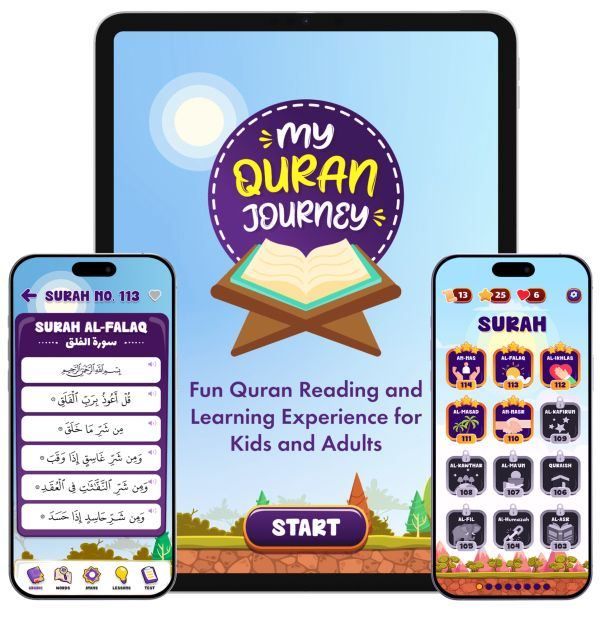
In today’s digital age, technology has become an integral part of our daily lives From how we communicate to how we learn, the digital revolution has transformed every aspect of society, including education. For Muslim families, this presents both opportunities and challenges, especially when it comes to teaching children about Islam. Traditional methods of learning, such as attending Madrasa, listening to lectures, and reading books, remain important. However, the rise of Islamic apps is revolutionizing how kids engage with Deen in fun, interactive, and meaningful ways.
Islamic apps provide a modern approach to nurturing faith, making it easier for children to learn about Islam in a way that resonates with their daily experiences. These apps incorporate games, quizzes, interactive stories, and visual aids to capture kids’ attention while delivering valuable lessons about the Quran, Hadith, Islamic history, and moral values. At Sidr Productions, we are proud to be at the forefront of this transformation, developing apps like My Quran Journey, Kids Read, and Deen Quest that combine technology with Islamic education to create an engaging learning environment for young Muslims.
In this blog, we’ll explore how Islamic apps are changing the way kids learn about Deen, the benefits they offer, and what the future holds for Islamic digital education.
For generations, Islamic education has been delivered through traditional means—Mosques, Madrasas, and family teachings. While these methods remain invaluable, they don’t always resonate with today’s tech-savvy children, who are accustomed to interactive content and instant access to information.
The integration of technology in education is not unique to Islamic learning. Across the globe, digital classrooms, e-learning platforms, and educational apps are becoming the norm. This shift is driven by the need for flexible, engaging, and personalized learning experiences that cater to different learning styles.
How This Affects Islamic Learning:
For many parents, integrating technology with Islamic learning can feel challenging. There’s a natural concern about screen time and the content children are exposed to. However, Islamic apps provide a way to bridge the gap between faith and technology, turning screen time into an opportunity for spiritual growth.
Examples:
Islamic apps are designed to make learning about Deen engaging, accessible, and interactive. Here are some of the features that are transforming how kids learn about Islam:
Gamification refers to the use of game-like elements in non-game contexts to enhance engagement and motivation. By incorporating points, rewards, and challenges, Islamic apps make learning about Deen fun and exciting for children.
Examples:
Children love stories, and Islamic apps leverage this by offering interactive stories that bring Quranic tales and Islamic history to life. This method helps kids understand complex concepts in a way that is relatable and memorable.
Examples:
Islamic apps cater to different learning styles by incorporating visual and audio elements. For children who learn better through seeing and hearing, these tools make Islamic education more accessible.
Examples:
Many Islamic apps use adaptive technology to personalize the learning experience based on a child’s progress, interests, and learning style. This ensures that children remain challenged without feeling overwhelmed.
Examples:
Islamic apps offer numerous benefits that go beyond simply teaching Deen. They contribute to emotional, cognitive, and spiritual development, fostering a well-rounded Islamic upbringing.
One of the biggest challenges parents face is making Islamic learning appealing to children. Islamic apps address this by turning lessons into fun activities that children look forward to.
Benefits:
Islamic apps help children develop a personal connection to their faith by making learning an interactive and personal experience. This fosters a sense of ownership and pride in their Islamic identity.
Benefits:
Islamic apps make learning accessible to children everywhere, regardless of their location, schedule, or learning style.
Benefits:
Many Islamic apps encourage family participation, turning learning into a shared experience that strengthens family bonds.
Benefits:
As technology continues to evolve, so will Islamic apps, offering even more innovative ways to teach children about Deen. Here’s what the future holds for Islamic digital education:
AR and VR technologies have the potential to create immersive learning experiences that bring Islamic history and teachings to life.
Future Possibilities:
Artificial Intelligence (AI) can enhance Islamic apps by offering personalized learning paths and real-time feedback based on a child’s progress and learning style.
Future Possibilities:
Future Islamic apps will likely incorporate social learning features, allowing children to learn alongside their peers in a safe, Islamic environment.
Future Possibilities:
The rise of Islamic apps is transforming the way children learn about Deen, offering engaging, accessible, and interactive ways to connect with their faith. By integrating technology with Islamic education, these apps provide a modern solution to nurturing young Muslims in a rapidly changing world.
At Sidr Productions, we are dedicated to leading this digital revolution, developing platforms like My Quran Journey, Kids Read, and Deen Quest that combine authentic Islamic knowledge with innovative technology. As we look to the future, we envision a world where technology not only enhances learning but also deepens children’s connection to their faith, identity, and community.
With the right tools and guidance, Islamic apps can be a powerful force in shaping a generation of confident, faith-driven, and knowledgeable Muslims who are prepared to thrive in both their Deen and Dunya.
Published 11 September 2024 in Learning technology. Questions? Get in touch.
As we navigate deeper into the digital era, Islamic learning apps have become essential tools for parents looking to…
Read more →
In an era where technology shapes much of how we live and learn, educators are continuously seeking innovative ways to…
Read more →
In today’s digital age, technology is a powerful tool that influences nearly every aspect of our lives, from how we…
Read more →Thirty minutes, your student numbers, an honest answer about whether we are a fit. Onboarding, training and data migration are included — there is nothing to sign to find out.