
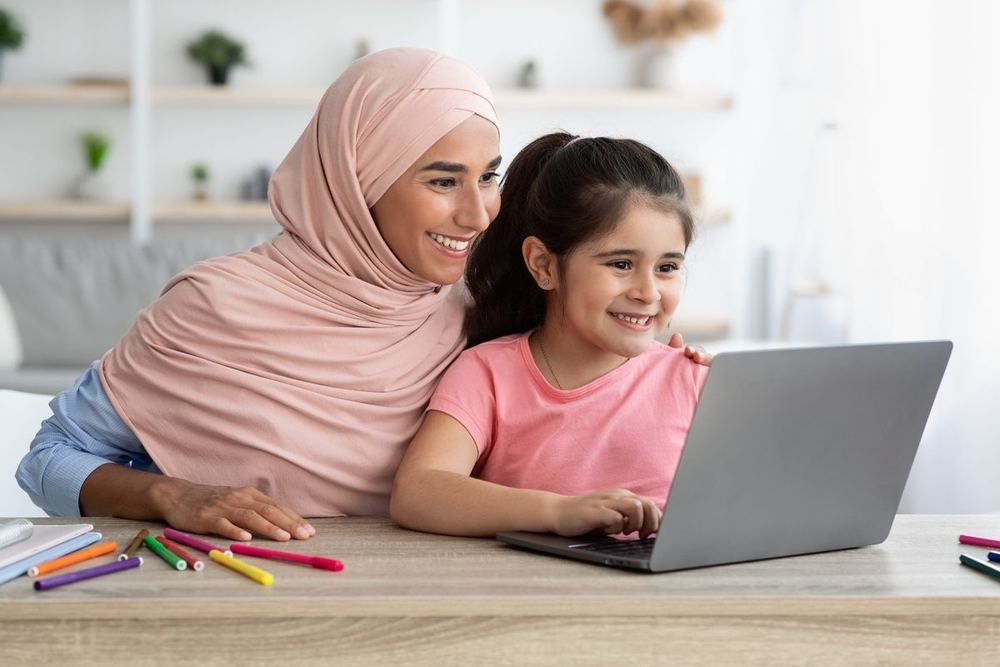
Digital vs traditional learning for Islamic education has been quite the debate as of late, although it shouldn’t come as a surprise.
After all, in the age of smartphones, tablets, and smart classrooms, we really need to take a step back and ask ourselves: is digital learning the future of Islamic education, or does traditional madrassa teaching or face-to-face teaching still hold a special place? For Muslim parents and educators around the world, this decision isn’t just about academic performance — it’s about raising children with a strong foundation in faith, values, and understanding of Islam.
This article explores the strengths, challenges, and ideal balance between digital vs. traditional learning for Islamic education, helping you make an informed decision on your child’s spiritual growth, Quranic learning, and long-term faith development.
Traditional Islamic Learning and Quran Learning for Kids
Traditional Islamic education refers to face-to-face interactions and Islamic education methods, often held in:
In this method, children are taught Qur’an recitation, Islamic etiquette (adab), stories of the Prophets, and basic Fiqh (Islamic rulings) directly by a teacher. Emphasis is placed on memorisation, personal discipline, and teacher-student bonding — often referred to as the traditional Tarbiyyah method.
Digital Islamic Education Methods and Learning
Digital Islamic learning involves using technology such as:
This method brings Islamic education to children ‘on-demand’, using visuals, animations, audio, and gamified activities to teach concepts.
Benefits of Traditional Islamic Learning
In-person interaction helps build respect for teachers, an important value in Islam. A teacher can model correct Tajweed, manners, and behaviour in real-time.
Regular and traditional madrassa teaching sessions or study circles create a consistent structure that many children thrive on.
Through traditional teaching, children observe body language, receive immediate feedback, and develop social etiquette in an Islamic environment.
Being physically present in a mosque or with a knowledgeable mentor allows students to immerse themselves in Islamic practices — such as making wudu, praying in jama’ah, and greeting others with the traditional Islamic greeting (salaam).
Challenges of Traditional Learning
Benefits of Digital Islamic Learning
Children can learn anytime, anywhere — perfect for families with irregular schedules or limited access to madrassas.
Animations, songs, interactive quizzes, and storytelling make lessons memorable and fun — especially for younger children.
Apps and platforms allow children to repeat lessons, slow down or speed up as needed, and learn at their own comfort.
Digital tools expose learners to a variety of voices, teachers, dialects, and learning styles — from kids’ Islamic cartoons to Hadith-based quiz apps.
Challenges of Digital Learning
What do Islamic Scholars and Educators Say?
Many respected scholars agree that blending learning for Muslim children have merit and the best results come when parents combine (and monitor) both.
As Sheikh Abdul Nasir Jangda noted:
“Technology is a tool. If used correctly, it can complement and enhance Islamic education. But it should never replace the heart-to-heart connection that traditional teaching offers.”
Ultimately, which is Best for Islamic Education?
This truly depends on your child, your family, and your environment.
✔️ Choose Traditional Learning if:
✔️ Choose Digital Learning if:
Best Approach: Combine Both for Lasting Impact
An ideal Islamic education experience often comes from blending both approaches.
Example of a Weekly Structure:
For Parents:
Final Thoughts: Educating the Whole Child
Islamic education isn’t just about Qur’an memorisation — it’s about developing taqwa, adab, and a love for Allah. Whether through a device or a teacher in a mosque, what matters most is intention, consistency, and engagement.
At Sidr Productions, we believe in embracing modern tools while honouring our timeless tradition. Through story-based apps, animated content, and family learning materials, we aim to support parents in nurturing a well-rounded Islamic foundation — digitally and spiritually.
Key Final Tips for Parents:
Are you looking to inject new life into your own business brand or want to promote your brand name in an existing or new market? Explore our parent companies, Digital Bee and Infographics Designers to learn more.
Published 27 June 2025 in Qur’an & learning. Questions? Get in touch.

Teaching children about Islam and the Qur’an is a beautiful responsibility, but it doesn’t always come with quiet…
Read more →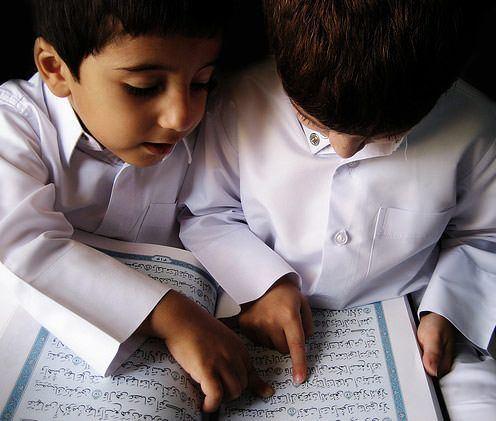
In a world that’s changing faster than ever, the need for Islamic education for children is not just important—it’s…
Read more →
In an age where screens dominate learning, Quranic memorization—or tahfidz—remains a timeless practice with profound…
Read more →Thirty minutes, your student numbers, an honest answer about whether we are a fit. Onboarding, training and data migration are included — there is nothing to sign to find out.